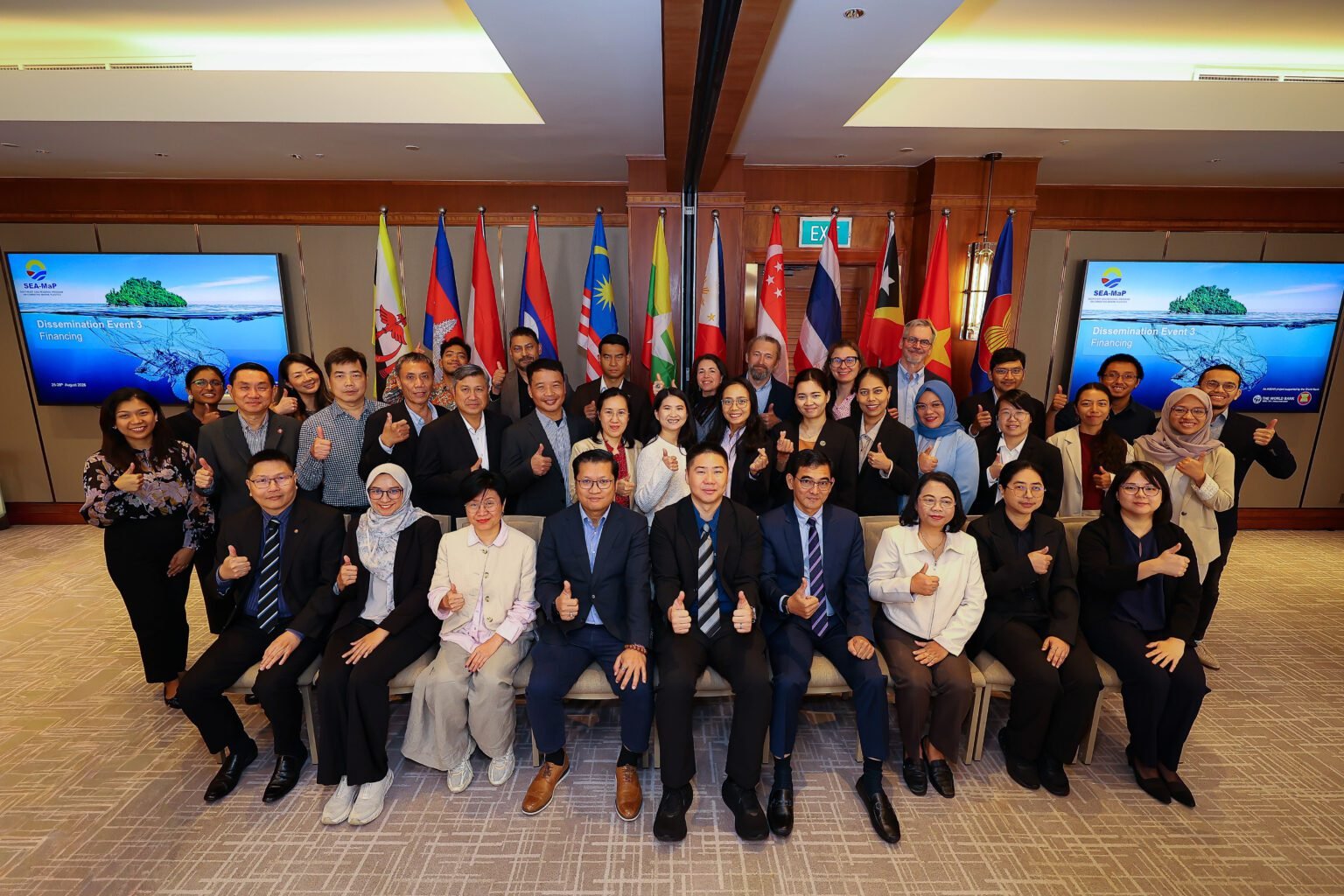
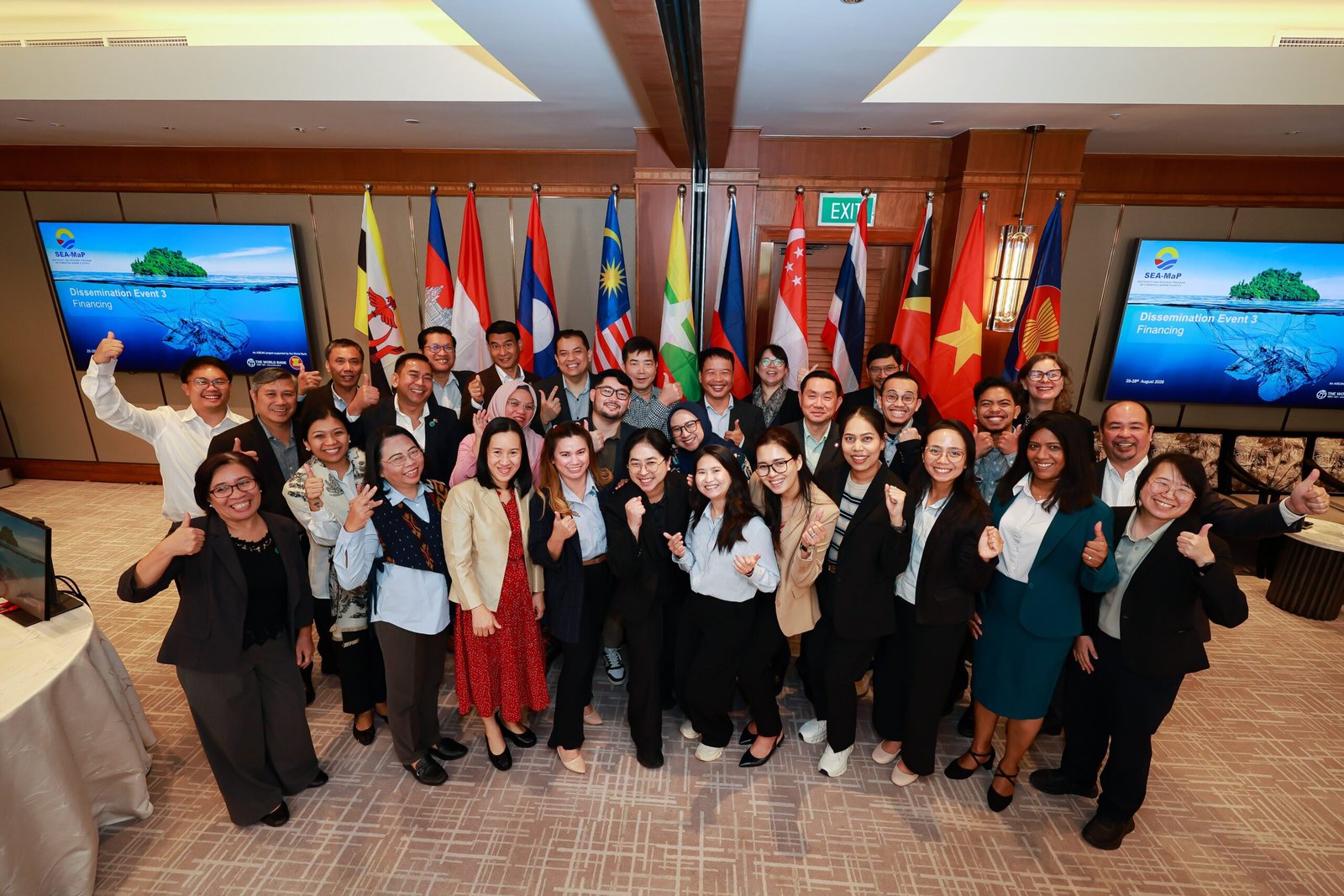
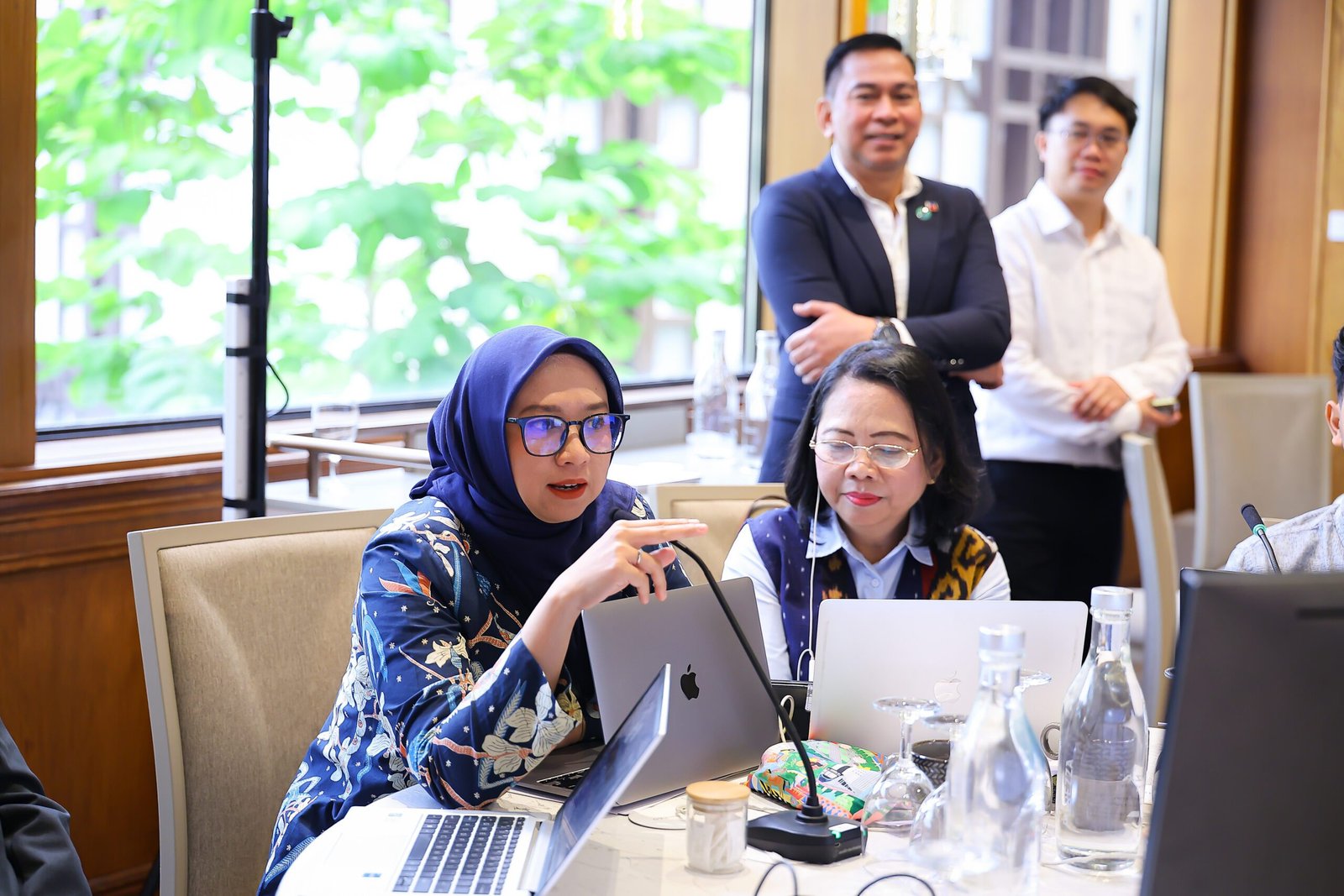
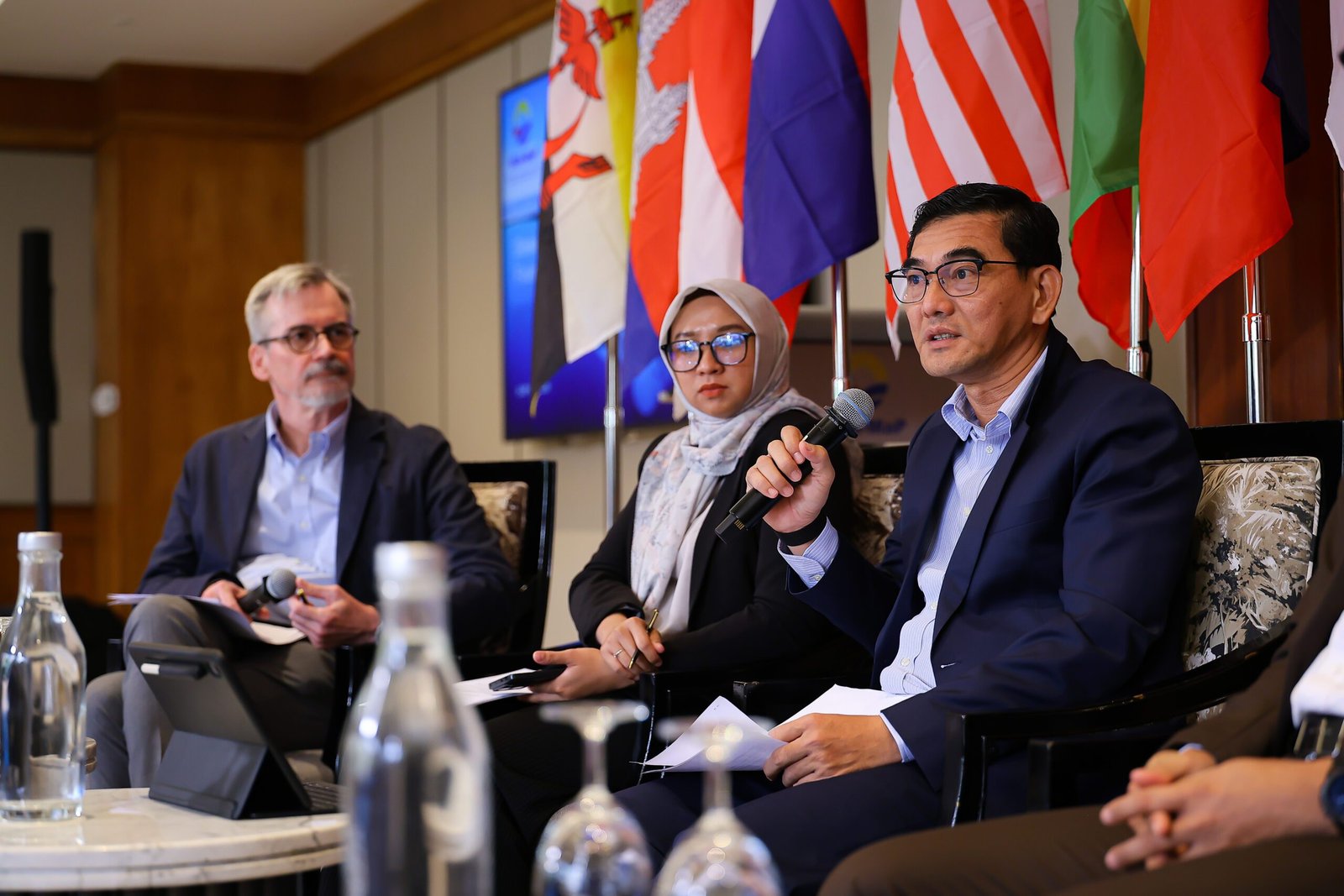
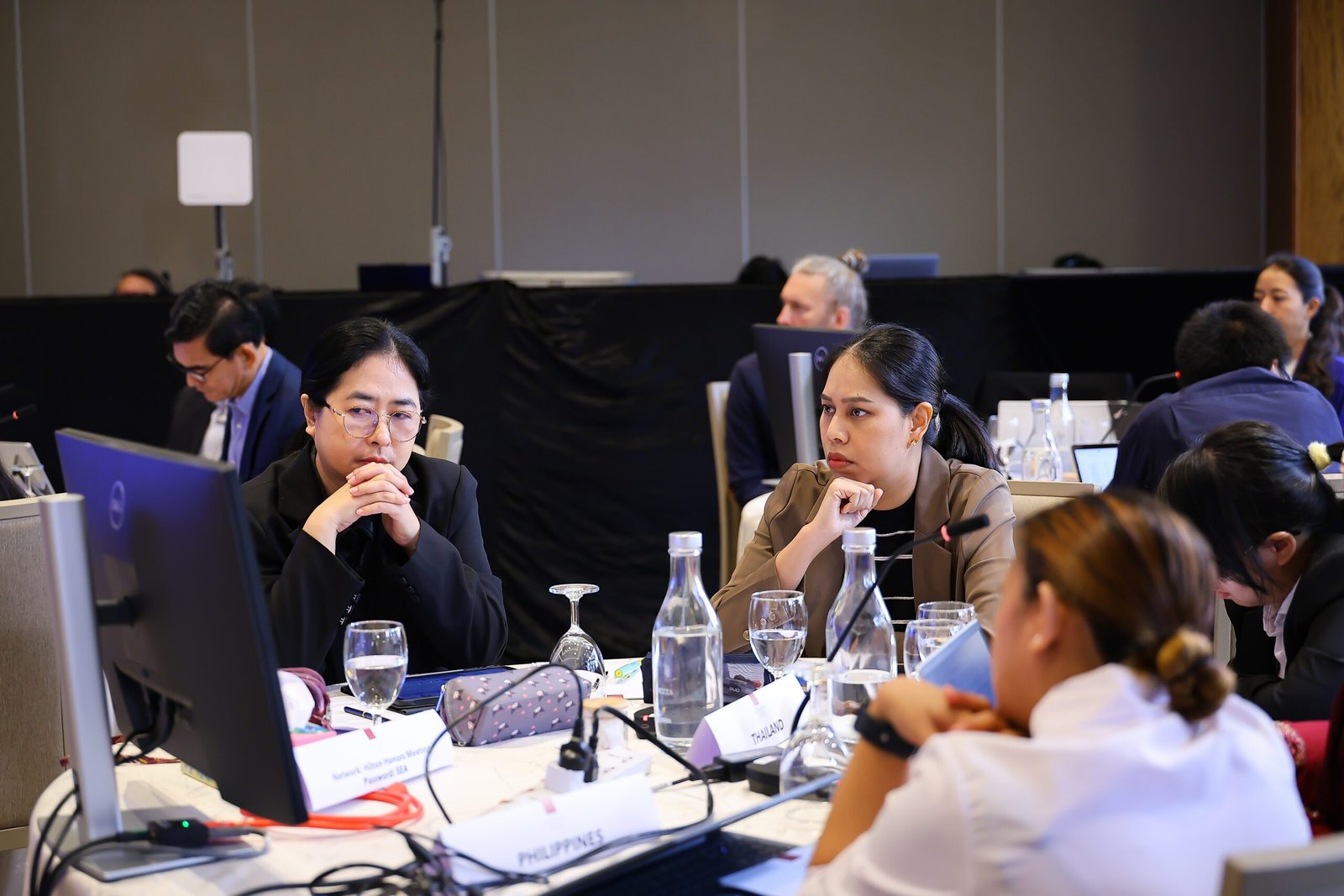
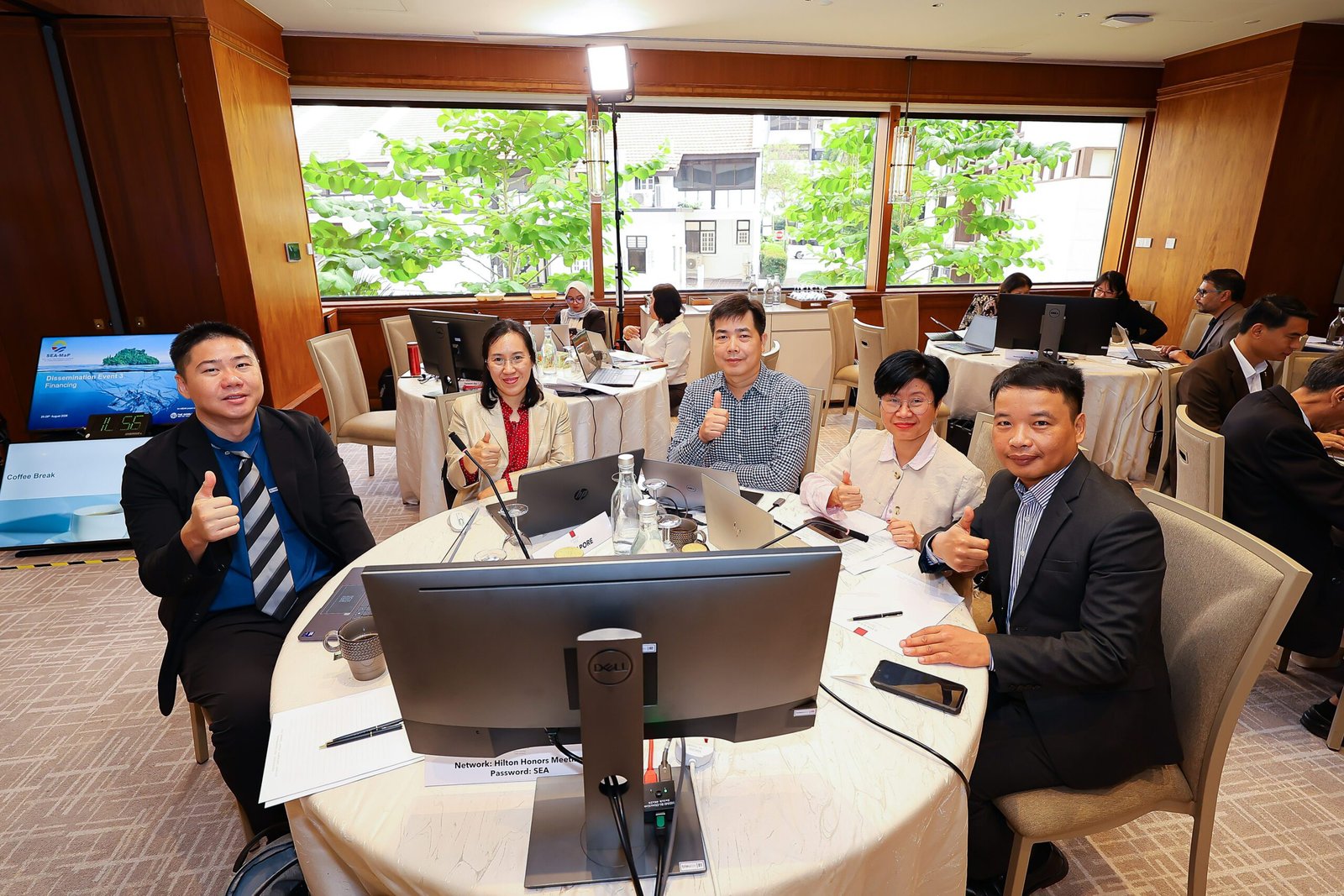
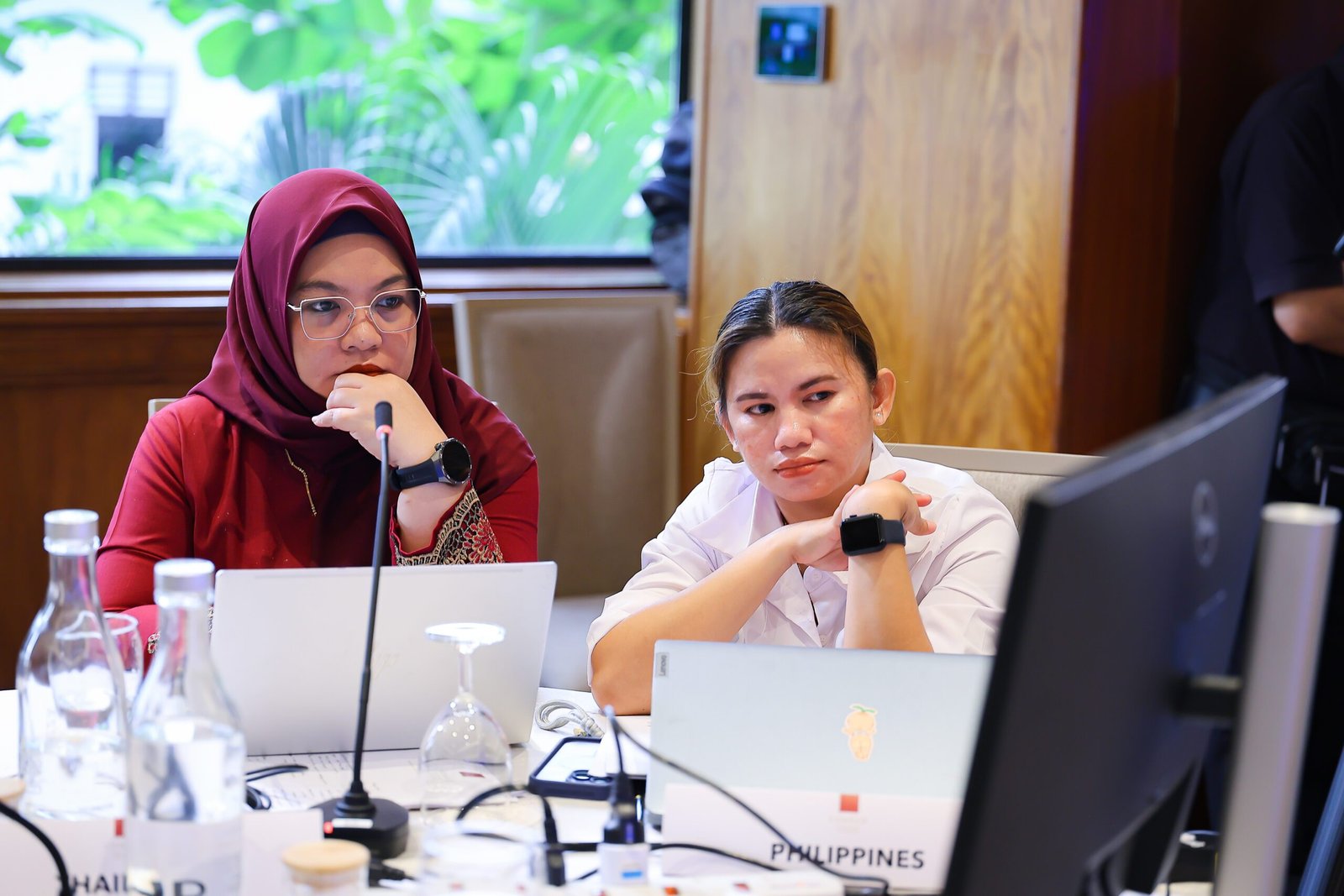
Singapore, 25–28 August 2026 – The Southeast Asia Regional Program on Combating Marine Plastics (SEA-MaP) convened its Dissemination Event: Financing. Representatives from ASEAN Member States (AMS), the ASEAN Secretariat, and regional partners to strengthen regional knowledge exchange and capacity on sustainable financing for plastic waste management and plastics circularity.
The event featured on three complementary SEA-MaP knowledge products: (1) the Regional Guidebook on Financial Mechanisms for Investments in Plastic Waste Management; (2) the Extended Producer Responsibility (EPR) Handbook and Customized Toolkit; and (3) the Marine Plastics Resource Mobilization Strategy (RMS). Together, these resources provide practical guidance on identifying and implementing financing mechanisms, strengthening EPR systems, and mobilizing financial and non-financial resources and partnerships to advance marine plastics priorities.
The event supports the implementation of the ASEAN Regional Action Plan (RAP) for Combating Marine Debris, and contributes to ASEAN’s wider agendas under the ASEAN Blue Economy Framework, the ASEAN Blue Economy Implementation Plan for Sustainability and Prosperity (2026–2030), and the Framework for Circular Economy for the ASEAN Economic Community (AEC).
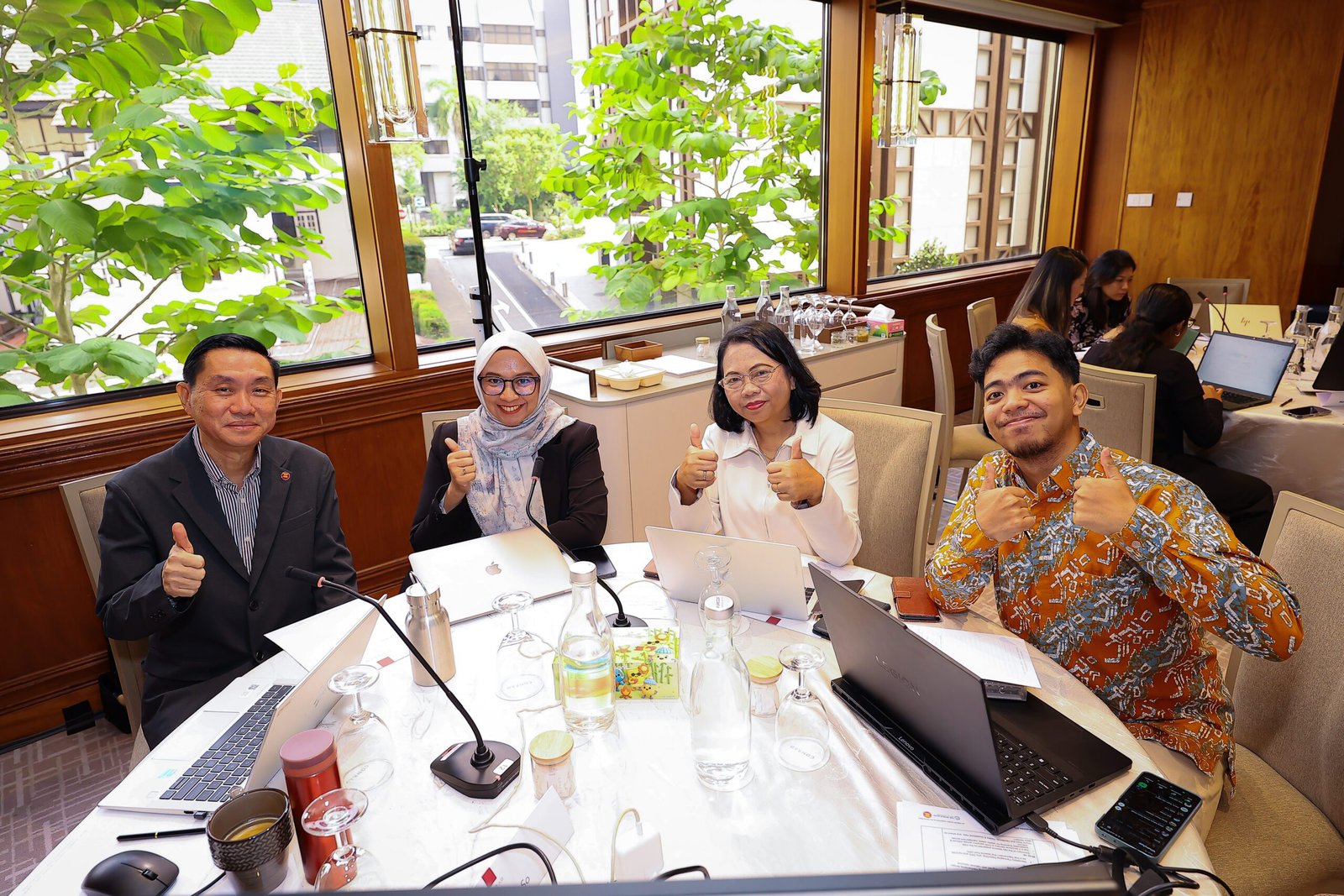
Building on these regional priorities, the event brought the knowledge products into practical discussion and application. During the High-Level Policy Forum on Sustainable Financing for Plastics Management in ASEAN, participants exchanged national experiences on financing mechanisms and EPR implementation, followed by detailed training on selecting appropriate financing mechanisms and applying the EPR Handbook and Customized Toolkit in different national contexts.
The event concluded with a dedicated session on the Marine Plastics Resource Mobilization Strategy, broadening the discussion to financial and non-financial resources, partnerships, and institutional coordination. Through presentations and facilitated discussions, participants explored the Strategy and Roadmap, including practical applications for resource-mobilization planning, partnership engagement, and potential pathways for advancing marine plastics priorities at national and regional levels.
The event was organized under the SEA-MaP Regional Project, with support from the SEA-MaP Project Management Unit (PMU) and the Regional Implementation Support Unit (RISU) within the United Nations Office for Project Services (UNOPS).
*****