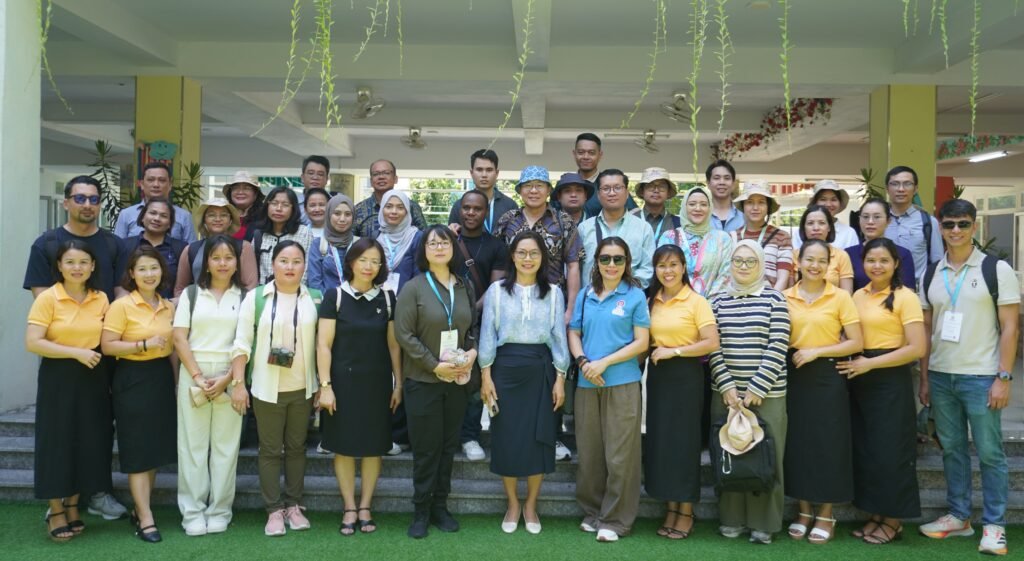
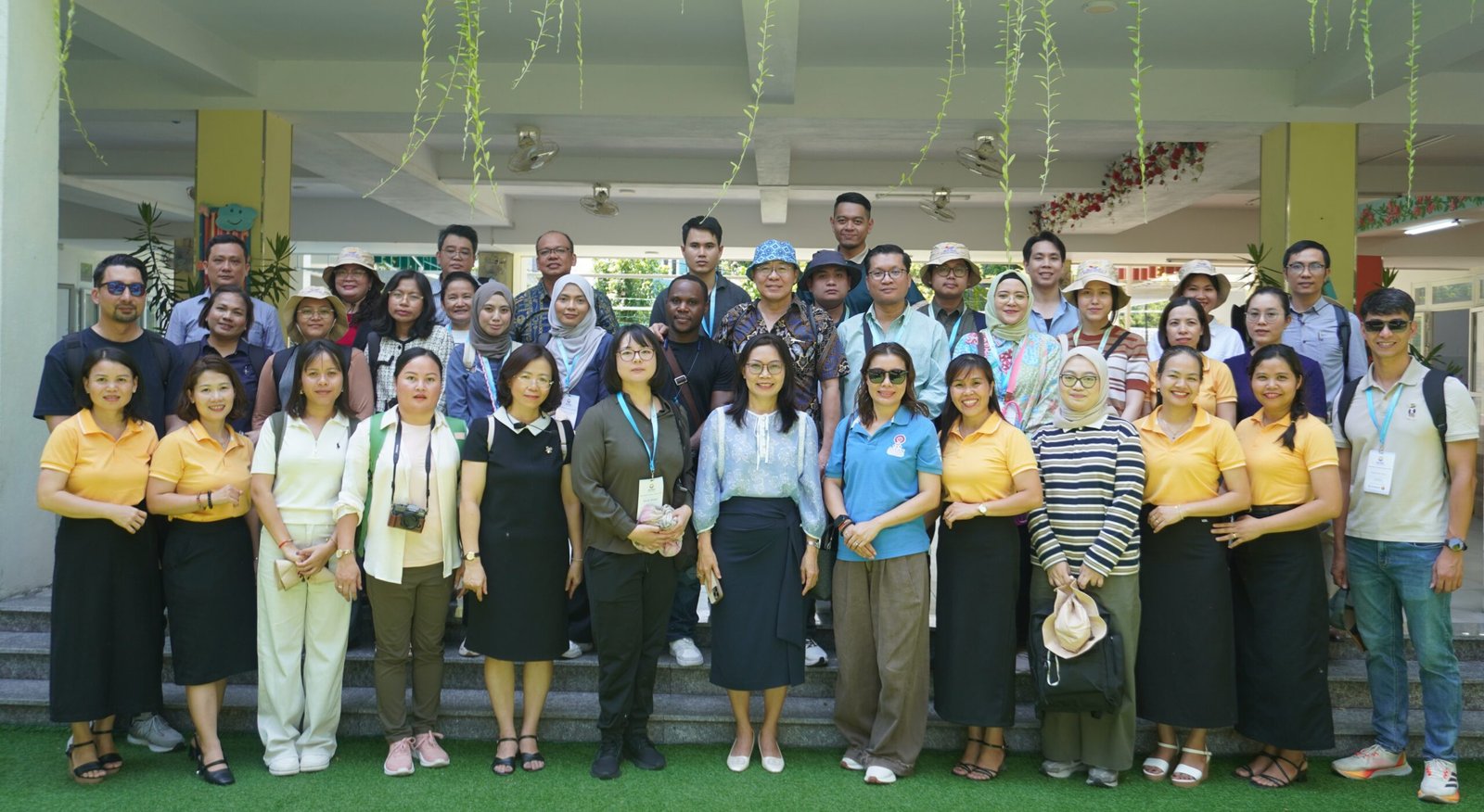
Da Nang, Viet Nam, 22 July 2026: The first day of the SEA-MaP Knowledge Exchange Program (KEP) 2026 study tour introduced participants to how Viet Nam is advancing the circular economy through plastic waste management activities and initiatives that are managed by the community and supported by the local government.
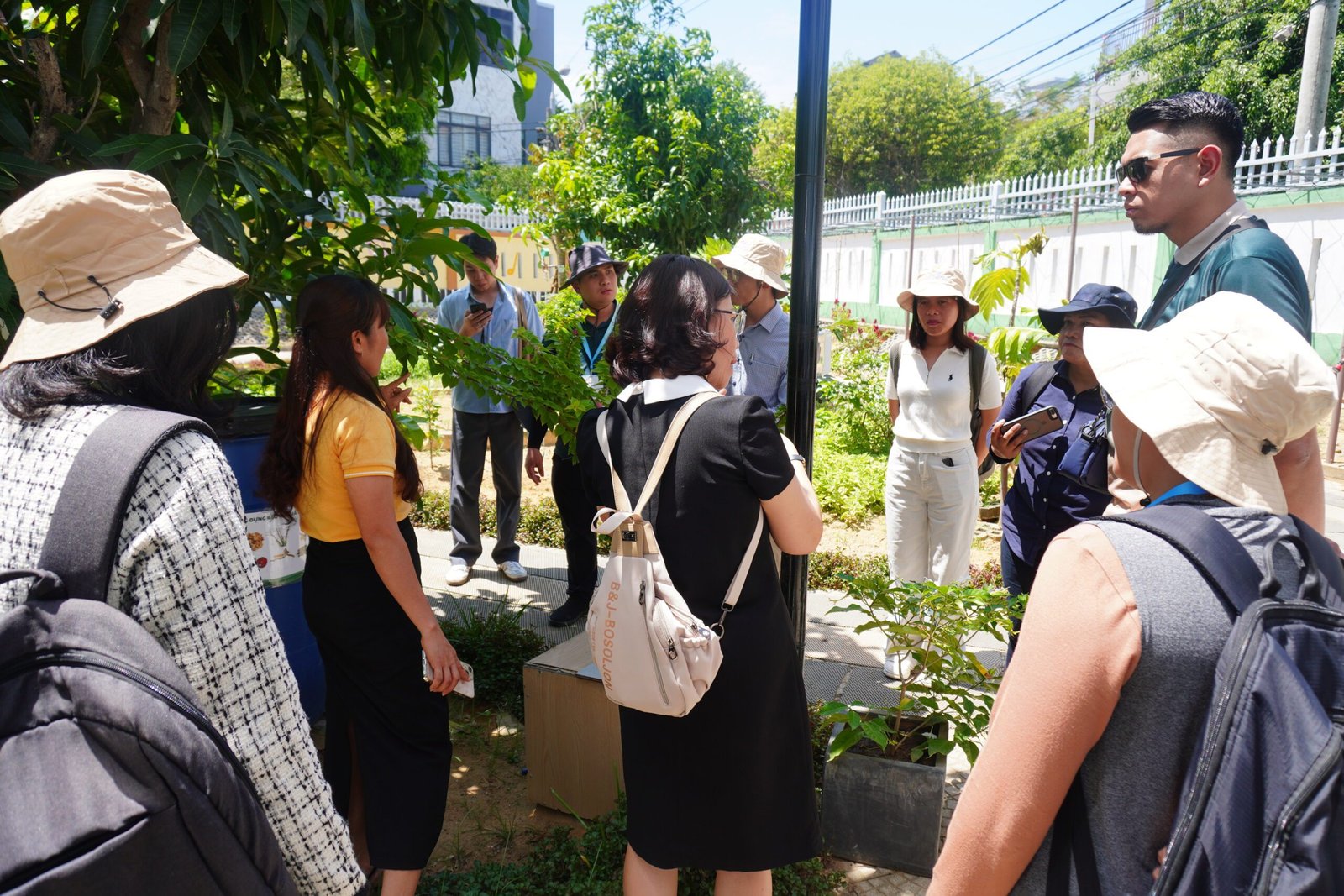
The day began at Vanh Khuyen Kindergarten, where participants learned about the environmental awareness and protection efforts that are initiated by the school to ensure that sustainable and eco-friendly behaviours are embedded in the day-to-day school activities . Key participatory activities to adopt circular practices include replacing single-use plastic (SUP) containers (e.g., lunch boxes, cups, bottles) with metal and glass bottles, to composting leftover food. The school also partners with local youth communities to collect waste for recycling and fundraising to support underprivileged children. The school conducts these and behavior change communication activities in consultation with parents, who receive training support regarding waste management.
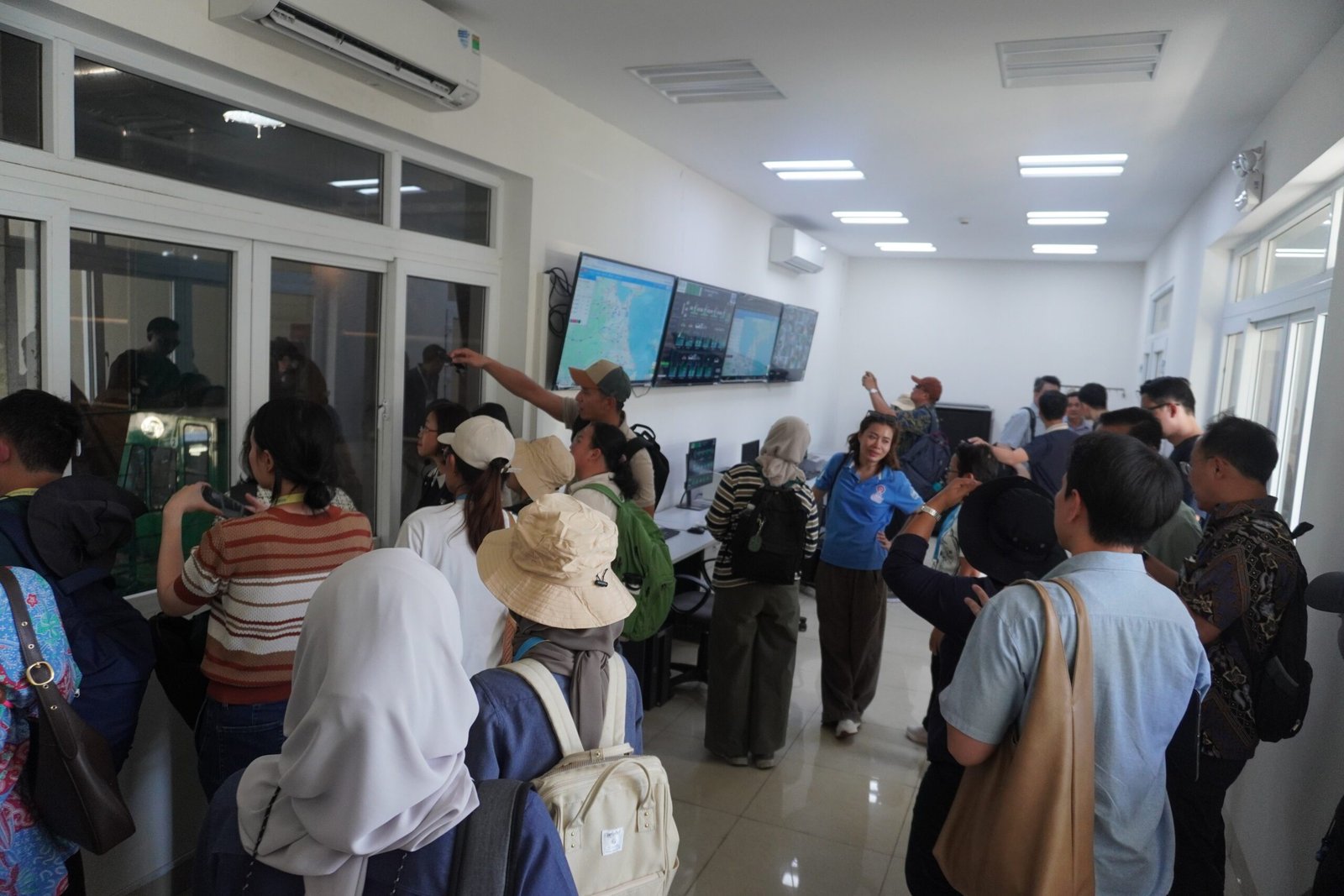
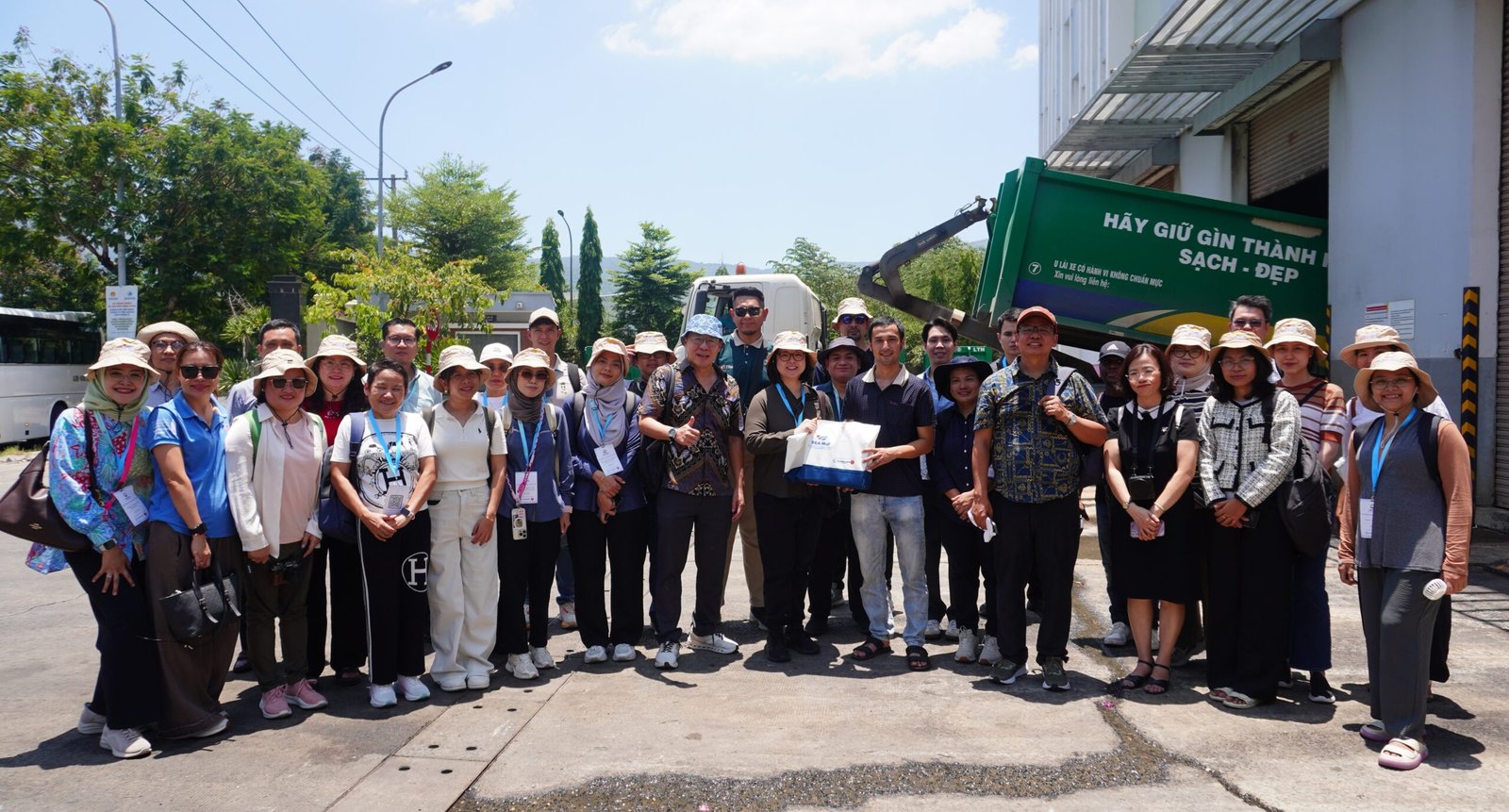
This was continued by a visit to the Son Tra Waste Transfer Facility, participants had the opportunity to tour the site, which is a municipal solid waste hub designed to streamline the local district’s waste collection system. The facility acts as a consolidation midpoint which processes, compacts, and sorts household and commercial waste. Bulky waste such as discarded plastic crates, furniture, and wooden items are fed into shredding equipment prior to compaction, while SUP waste such as sachets and wrappers are processed through hydraulic compactor machines. The compacted waste is compressed into high-capacity containers and transported to other facilities for further treatment.
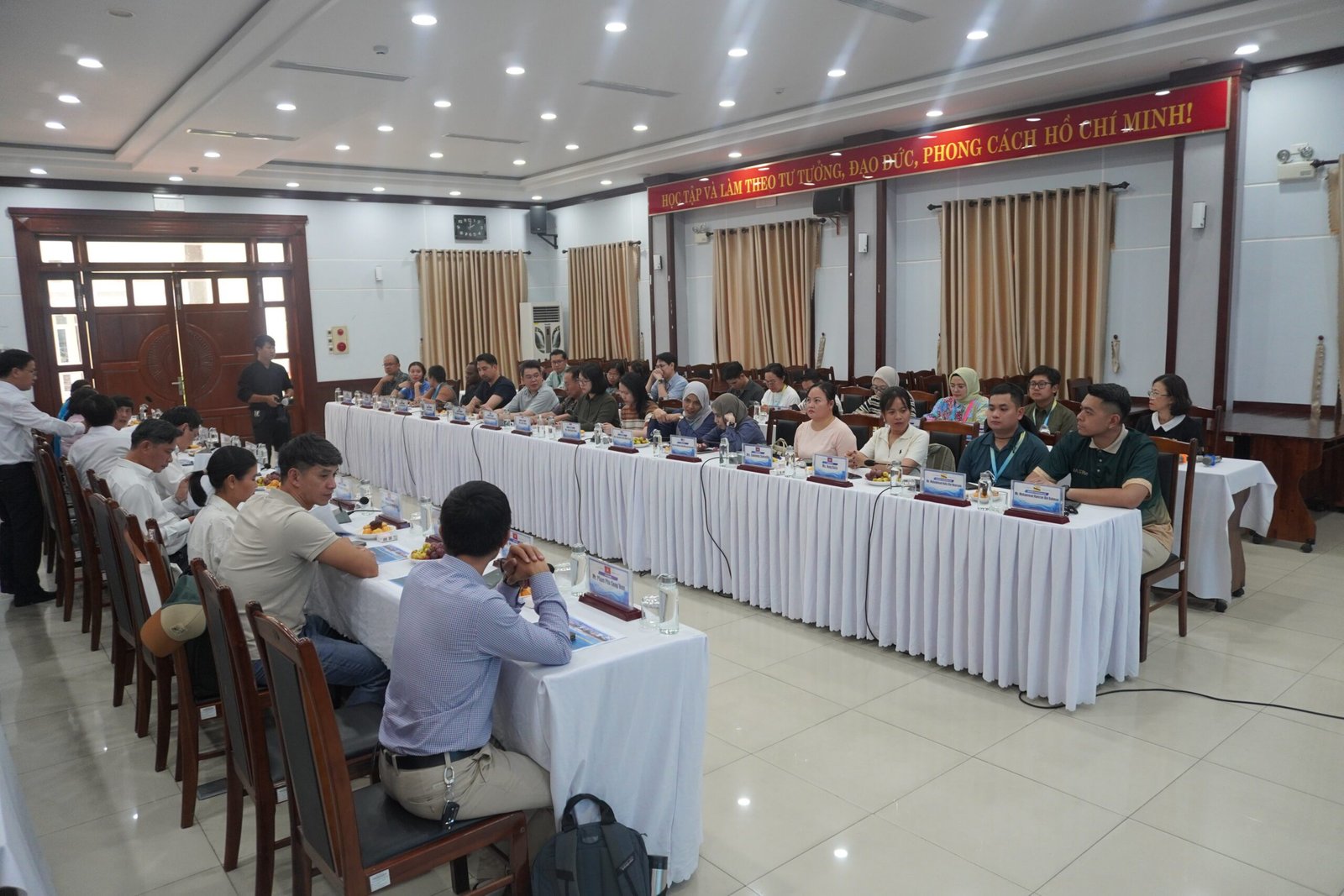
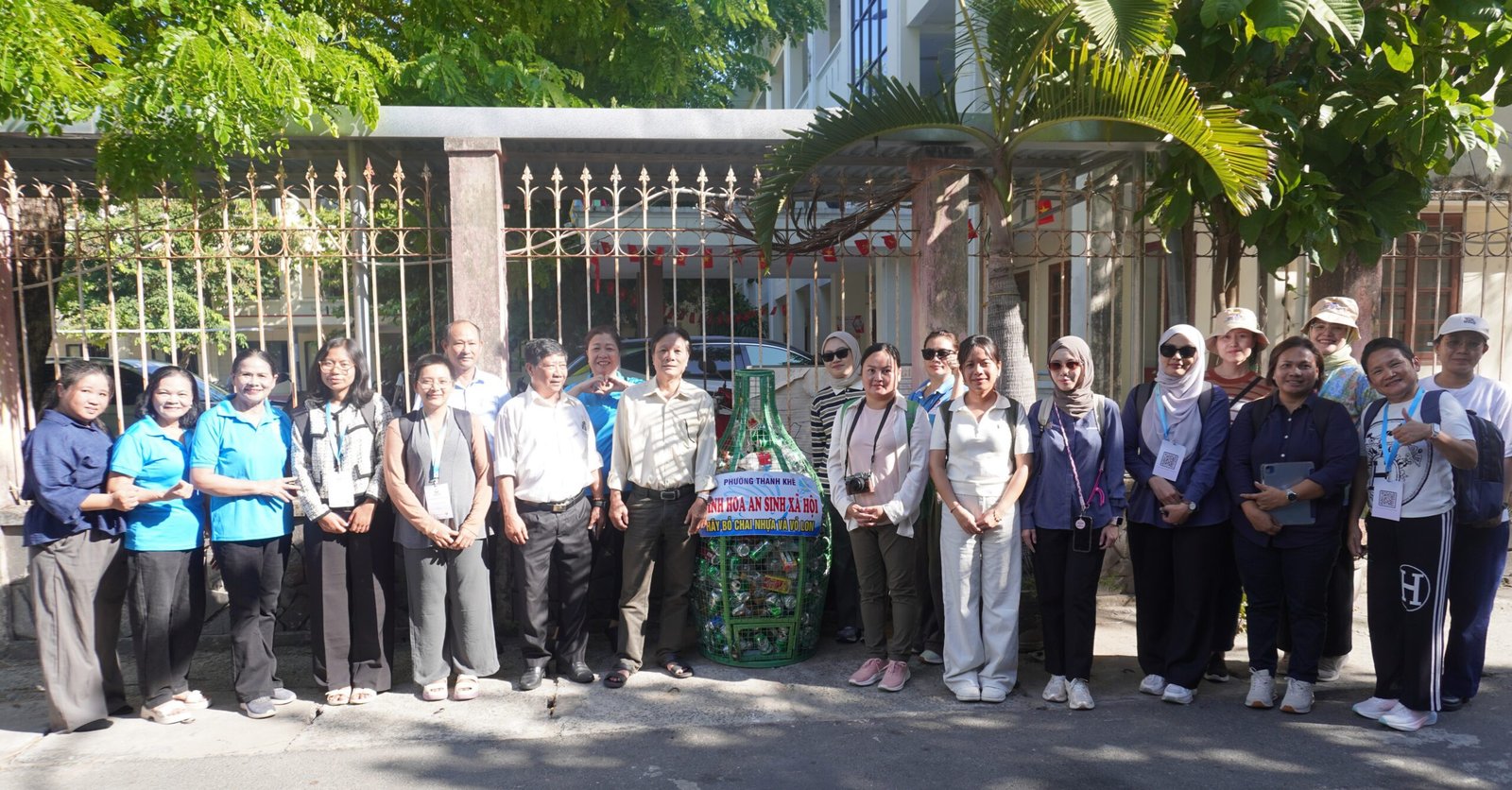
The day concluded with a visit to the Thanh Khe Ward District Office, where participants learned about the Social Security Flower Vase Initiative, an initiative managed by the local Ward’s women’s union. The community-led initiative seeks to improve waste segregation at the household level by installing large vase-shaped collection bins in residential neighborhoods and public areas. The vases act as collection points for recyclable plastic, cans and other scrap materials. Partnering with local youth communities, the collected materials would be sold and the proceeds are used to support disadvantaged members of the community, such as women and orphans.
*****
The SEA-MaP Regional Project hosted its third iteration of the Knowledge Exchange Program in Da Nang, Viet Nam, on 20-23 July 2026. The Program focused on “Advancing Circular Economy for Plastic Waste: System Innovation and Strategic Policy Approaches”, delivered through an interactive training and study tour across four days.
Visit these links to read more on the training sessions and the second day of the Study Tour.