JANUARY 2025
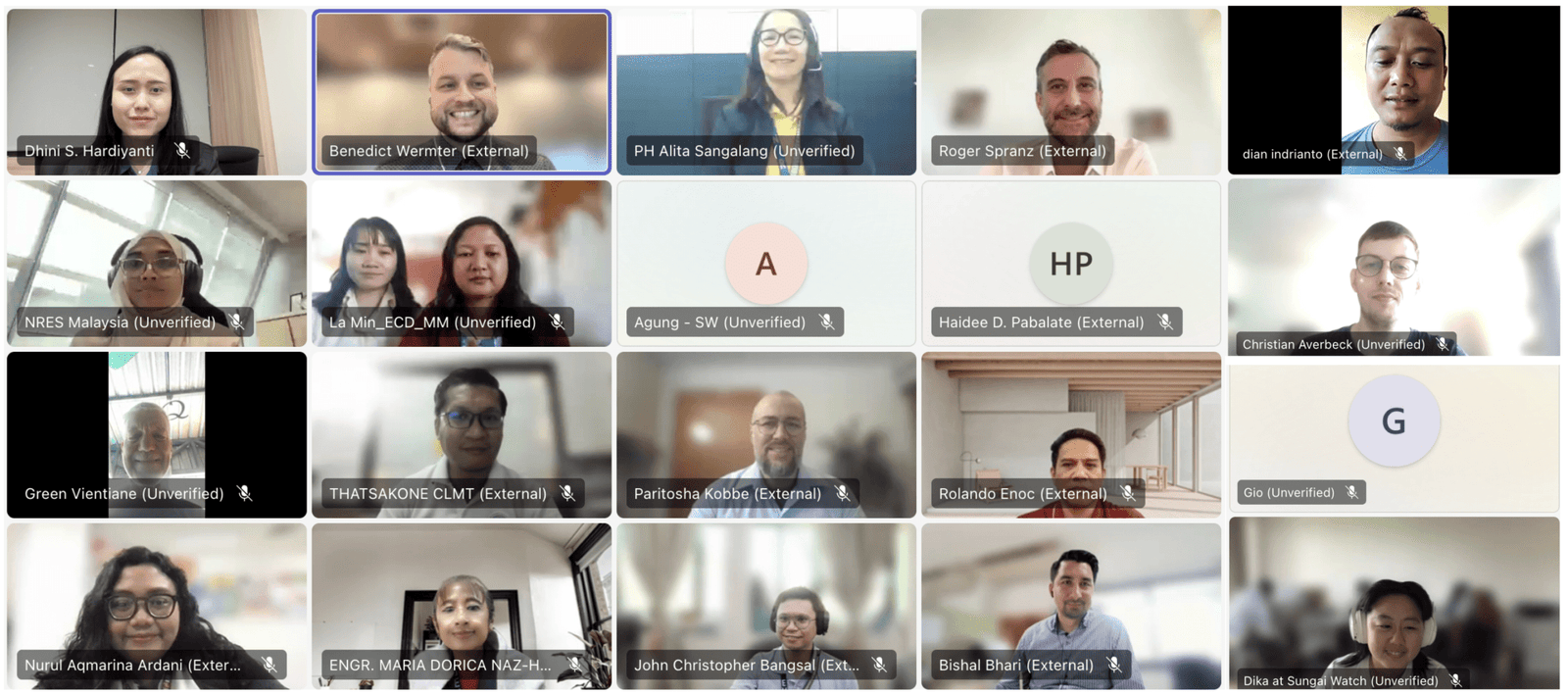
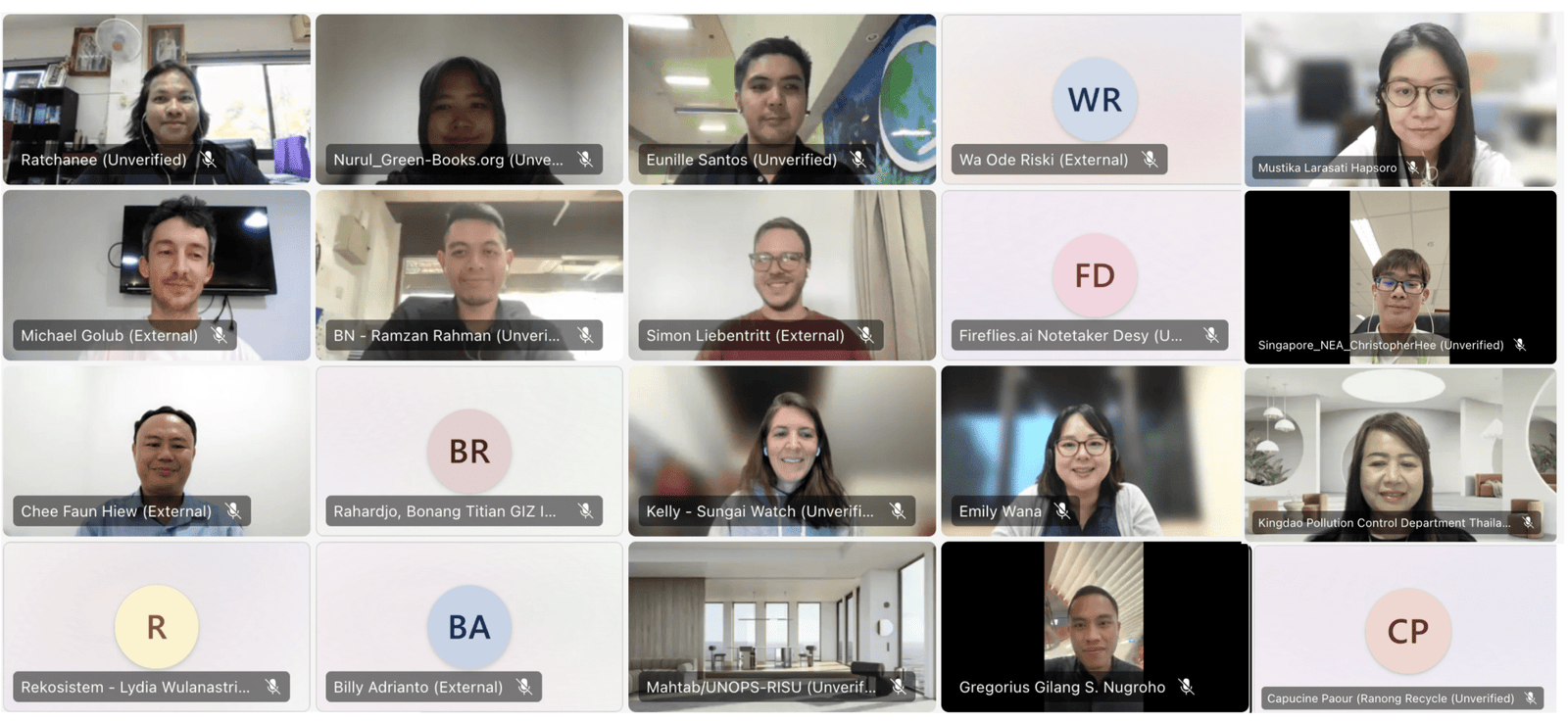
Video conference, 22 January 2026: The SEA-MaP Regional Project organized the Regional Workshop to disseminate and socialize the Regional Behavioral Change Communication (BCC) Strategy Playbook.
This workstream supports the implementation of Action 11 of the ASEAN Regional Action Plan for Combating Marine Debris (RAP) in the ASEAN Member States which calls for the development of the Playbook for plastic and plastic waste, focusing on three key behaviors: littering, usage of single-use plastics, and sorting and recycling. In particular, the Workshop was held following approval of the Playbook by the SEA-MaP Project Steering Committee (PSC) in November 2025.
The Workshop sought to introduce, demonstrate, and promote the Playbook’s use and accessibility, as well as facilitate engagement with the relevant stakeholders and target groups in ASEAN. It also aimed to generate interest and trust amongst stakeholders by positioning the Playbook as an evidence-based tool.
The Workshop comprised key participatory sessions, including:
(i) presentation of a summary of key findings from the needs assessment and stocktaking exercise and technical consultations that were conducted to develop the Playbook, underscoring the importance of behavior change towards addressing plastic pollution in ASEAN,
(ii) facilitation of a ‘test drive’ or a live demo to showcase the navigation features of the Playbook chapters, including key principles, scope, structure, and tools,
(iii) showcasing examples of successful BCC campaigns highlighted in the Playbook to learn best practices from across ASEAN, and
(iv) exchanging views on the ways the Playbook can be utilized according to the respective needs and contexts of the practitioners.
During the discussion sessions, participants exchanged perspectives and insights on the Playbook and on plastic waste management in ASEAN. This includes emphasizing the importance of monitoring and scaling indicators or templates to support practitioners track progress, impact, and report behavioral change outcomes, as well as the key role of practitioners in supporting dissemination and socialization efforts to raise awareness and information sharing on available knowledge resources to both consumers and producers, among others. This includes the role of training and peer-learning mechanisms to support effective use of the Playbook, among others.
Participants included representatives from the ASEAN Member States, the ASEAN Secretariat, non-governmental organizations (NGOs)/civil society organizations (CSOs) across ASEAN, as well as observers from the SEA-MaP Regional Implementation Support Unit (RISU) housed under the United Nations Office for Project Services (UNOPS) and the World Bank. The Workshop was facilitated by Making Oceans Plastic Free (MOPF)/PT Ini Solusi Hijau, the consulting firm contracted to support the development of the Playbook.
Prior to the Workshop, the development of the Playbook included two technical consultations that were held in June 2025 and October 2025, respectively, to gather inputs from ASEAN Member States and relevant stakeholders to ensure the Playbook’s contextual applicability and alignment with the priorities and needs of stakeholders in the ASEAN region.
The Workshop provided a platform to disseminate the Playbook and allowed for the feedback received to be considered for future planning, for example, in exploring opportunities to further disseminate the Playbook through existing ASEAN platforms and practitioner networks. Furthermore, AMS and practitioners may also wish to consider utilizing the Playbook as a technical reference tool to conduct their own BCC initiatives, such as through capacity building/training workshops and knowledge exchange activities, with the aim fostering sustained impact in the behavior change space.
*****

Project Management Unit (PMU)
1st Floor, Heritage Building
The ASEAN Secretariat
70A Jalan Sisingamangaraja
Jakarta 12110, Indonesia