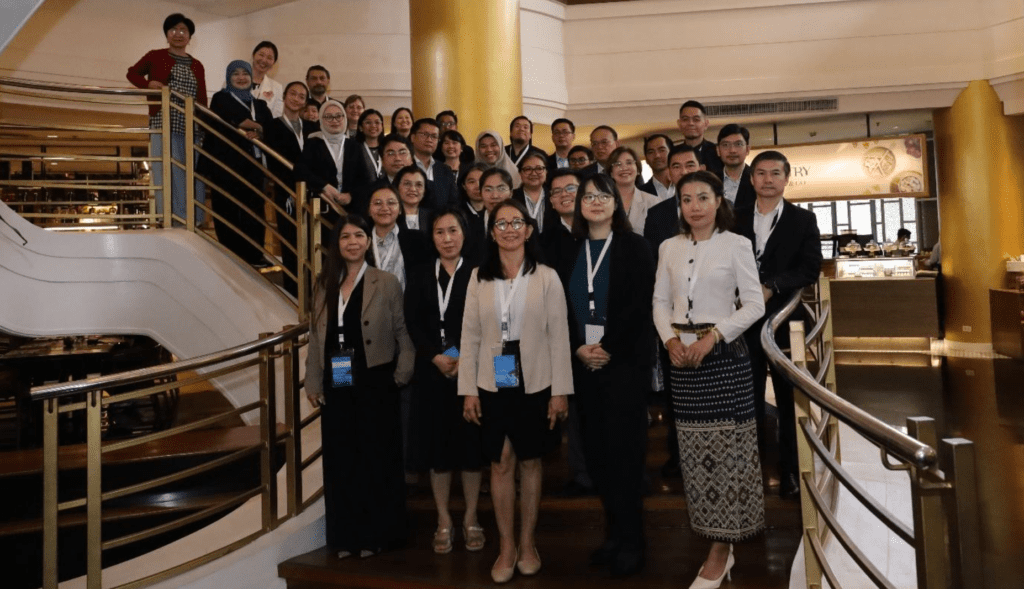
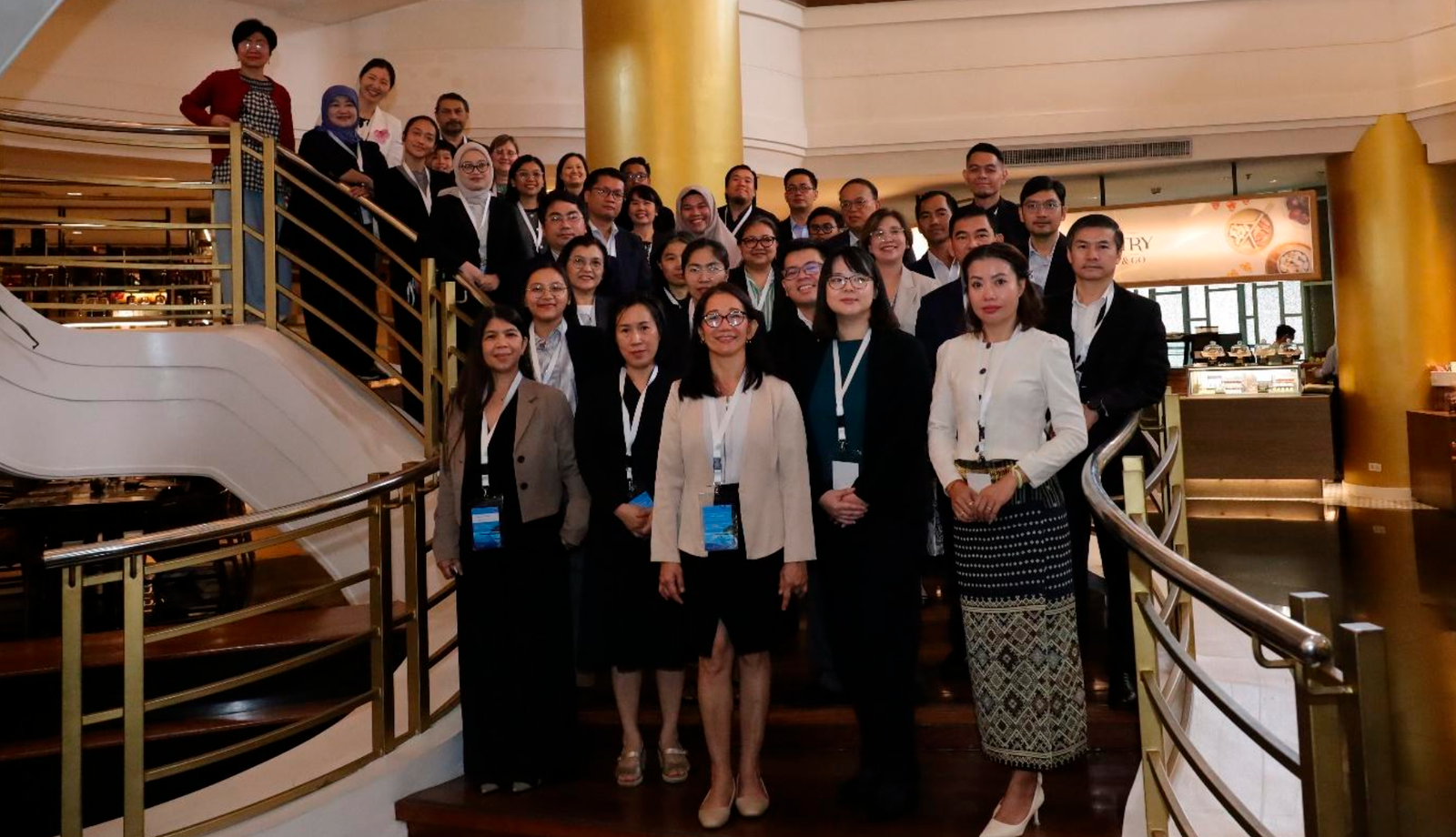
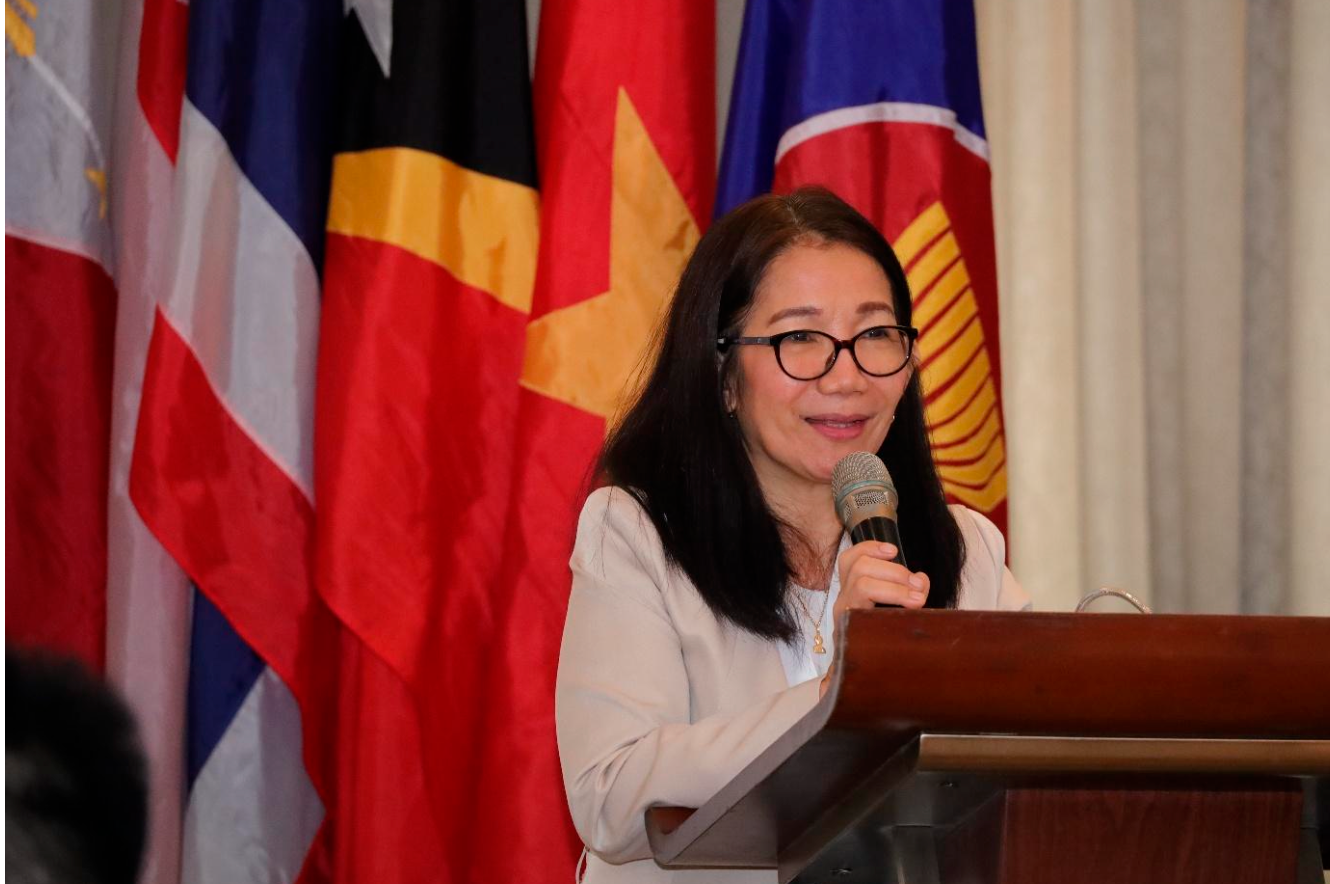
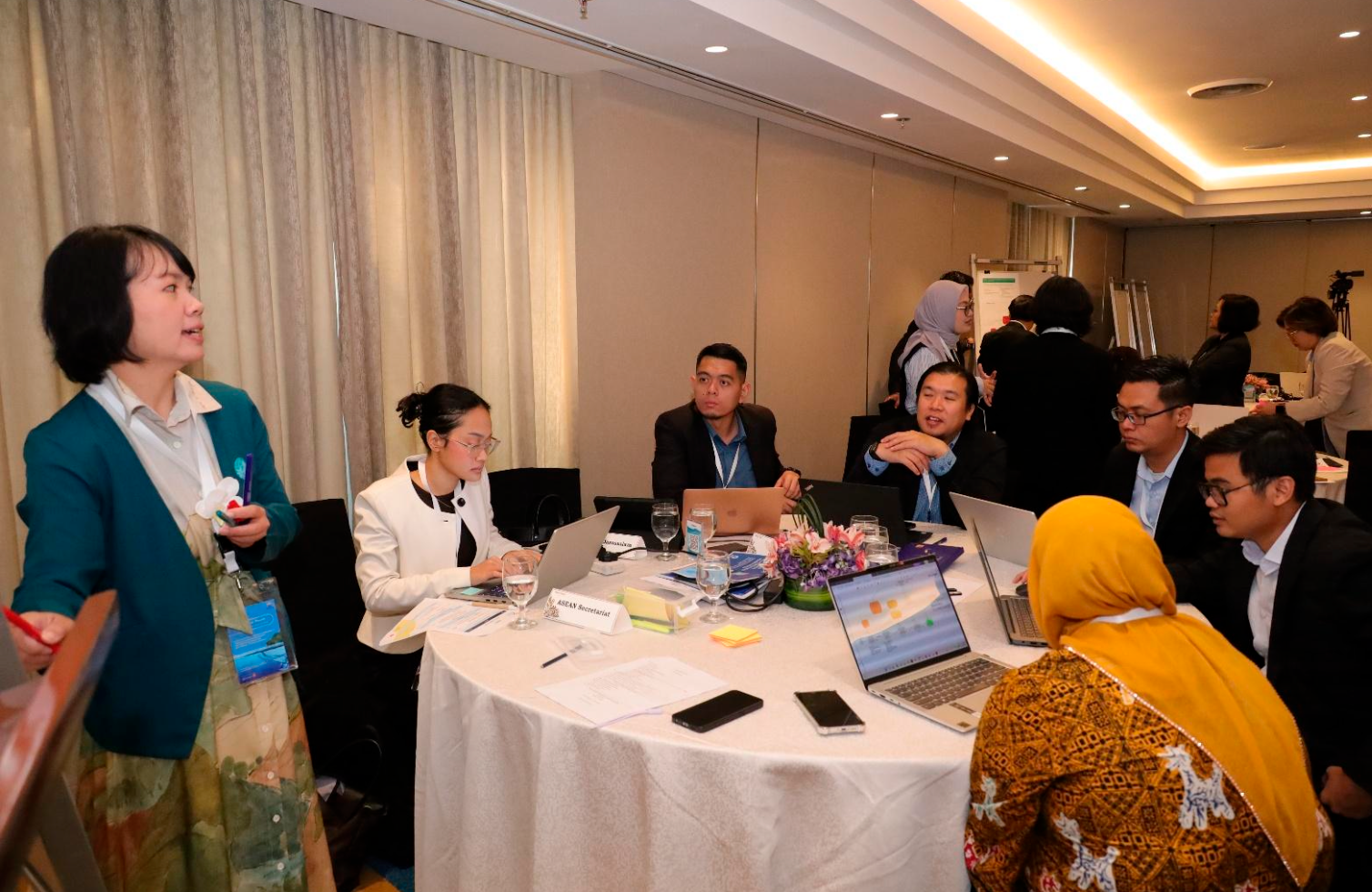
Manila, Philippines, 10–11 March 2026 — The Southeast Asia Regional Program on Combating Marine Plastics (SEA-MaP) convened the Government Consultation on Plastic Waste Trade on 10-11 March 2026 in Manila, Philippines, in a hybrid format, bringing together government representatives from ten ASEAN Member States (AMS), the ASEAN Secretariat, and the World Bank as an observer.
The Consultation marked a significant milestone in the development of the Regional Guidebook on Standards for Responsible Plastic Waste Trade, Sorted Plastics and Recycled Plastics. The Guidebook is being developed to support the implementation of the ASEAN Regional Action Plan (RAP) on Combating Marine Debris specially Action 3, and to strengthen responsible plastic waste management and advance circular economy solutions across the region.
Building upon the outcomes of previous technical consultations held in May and November 2025, as well as a regional stocktaking and gap analysis, the consultation provided an opportunity for government participants to review and validate the draft Regional Guidebook ensuring alignment with the needs and priorities of ASEAN.
Participants engaged in presentations and facilitated roundtable discussions to assess the Guidebook against national policy frameworks and implementation realities. Interactive exercises—including risk mapping, gap analysis, stakeholder mapping, and case-based assessments—enabled participants to examine challenges and opportunities across three key thematic areas: plastic waste collection and sorting, cross-border plastic waste trade, and plastic recycling systems.
Discussions highlighted several shared regional priorities. Participants emphasized the importance of strengthening coordination among environmental, trade, customs, and other relevant agencies to improve oversight of plastic waste trade. Partcipants also underscored the need for enhanced traceability mechanisms across the plastic value chain, improved information sharing among ASEAN Member States, and increased investment in recycling infrastructure and technologies.
The consultation further recognized the significant contribution of the informal sector to plastic waste management across the region. Participants highlighted the importance of ensuring that the Guidebook remains practical and accessible to a wide range of stakeholders.
The Consultation observed that ASEAN Member States are at different stages of readiness in managing plastic waste trade and recycling systems. Participants noted that the Regional Guidebook can play a role in supporting greater consistency in standards and facilitating knowledge exchange across ASEAN.
Feedback gathered during the consultation, together with subsequent written inputs from ASEAN Member States and relevant stakeholders, will inform the final refinement of the Regional Guidebook. The completed package is expected to support ASEAN Member States in strengthening responsible plastic waste trade practices, enhancing regional cooperation, and advancing regional circular economy objectives.
*****