OCTOBER 2025
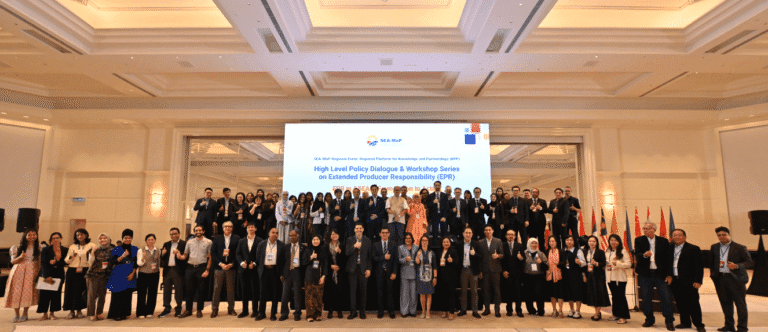
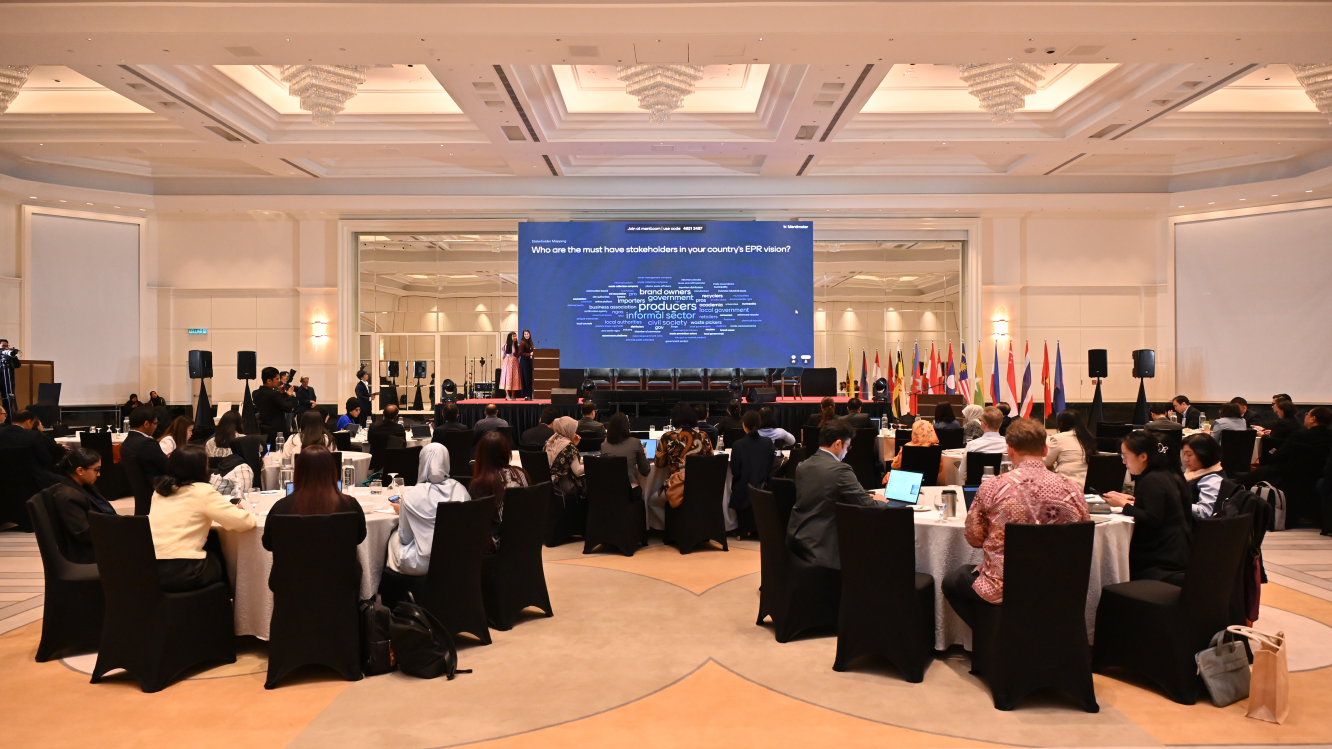
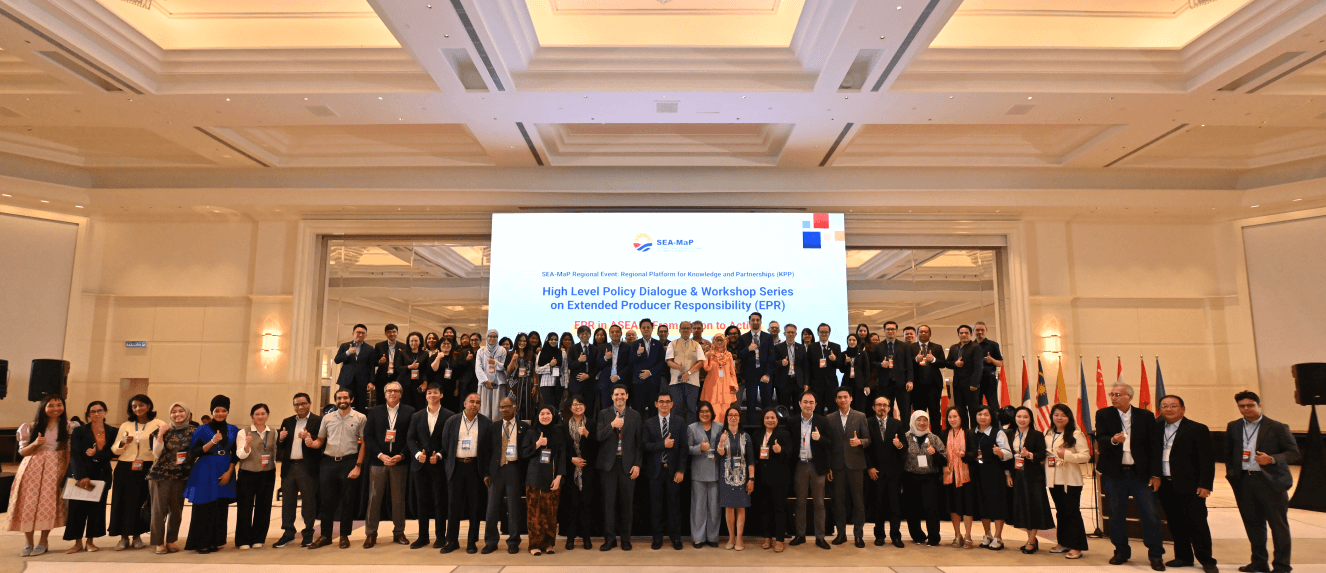
Kuala Lumpur, Malaysia, 15 October 2025: The SEA-MaP Regional Project brought together representatives from the ASEAN Member States, ASEAN Secretariat, World Bank, and key partners from NGOs, research institutions, and industry associations for the first SEA-MaP High-Level Policy Dialogue and Workshop Series on Extended Producer Responsibility (EPR). It was conducted in hybrid mode and organized by the SEA-MaP Regional project, facilitated by the Economic Research Institute for ASEAN and East Asia (ERIA) and Institute for Global Environmental Strategies (IGES), in close coordination with the SEA-MaP Project Management Unit (PMU).
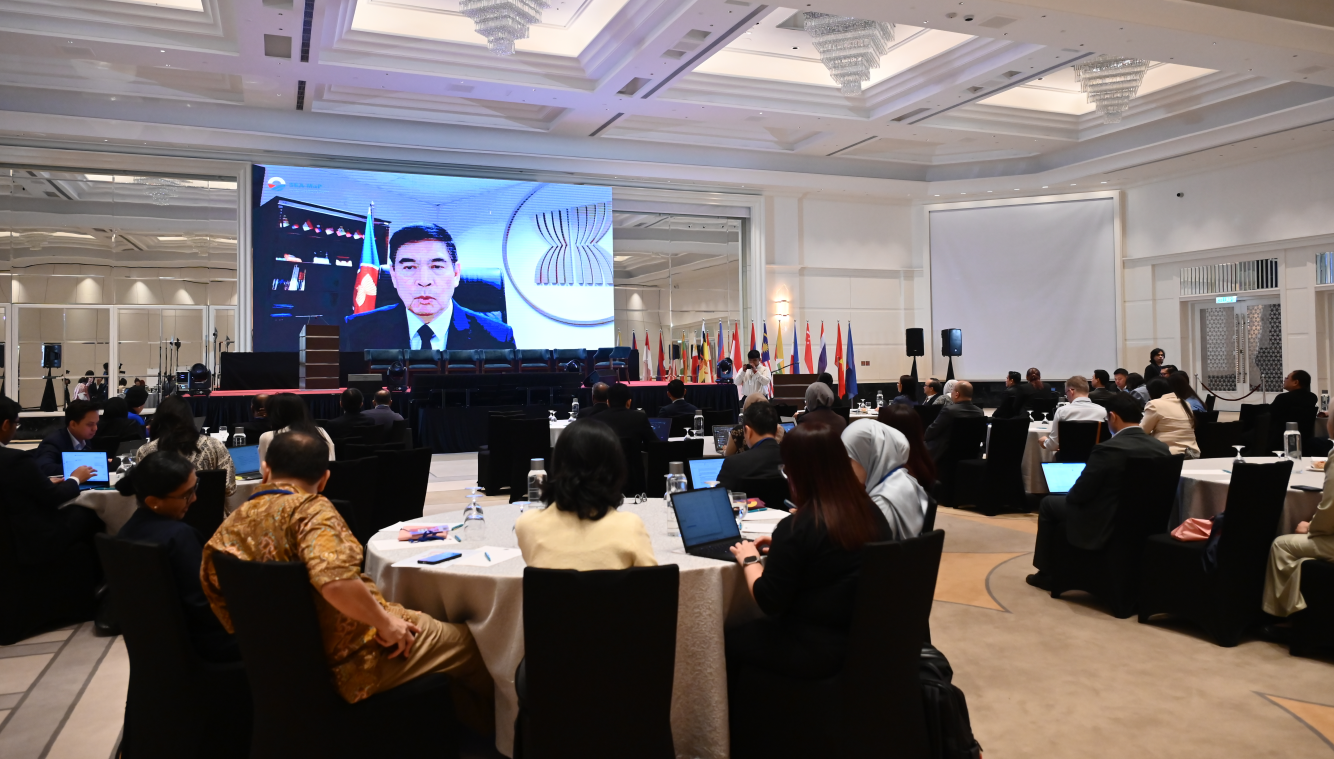
The event commenced with welcome and opening remarks delivered by (i) Dr. Pubadi A/L Govindasamy, Undersecretary, Environmental Management Division, Ministry of Natural Resources and Environmental Sustainability (NRES) of Malaysia, representing the host country; (ii) Ms. Alita D. Sangalang, M.Sc., Senior Ecosystems Management Specialist, Biodiversity Management Bureau – Coastal and Marine Division, Department of Environment and Natural Resources, Philippines, in her capacity as Chair of the ASEAN Working Group on Coastal and Marine Environment (AWGCME) and Co-Chair of the SEA-MaP Project Steering Committee (PSC); and (iii) H.E. San Lwin, Deputy Secretary-General of ASEAN for ASEAN Socio-Cultural Community, in his capacity as Co-Chair of the SEA-MaP PSC. The remarks emphasised that the EPR serves not only as a regulatory framework but also as a catalyst for advancing sustainable waste management, fostering multi-stakeholder collaboration, and facilitating the transition towards a circular economy.
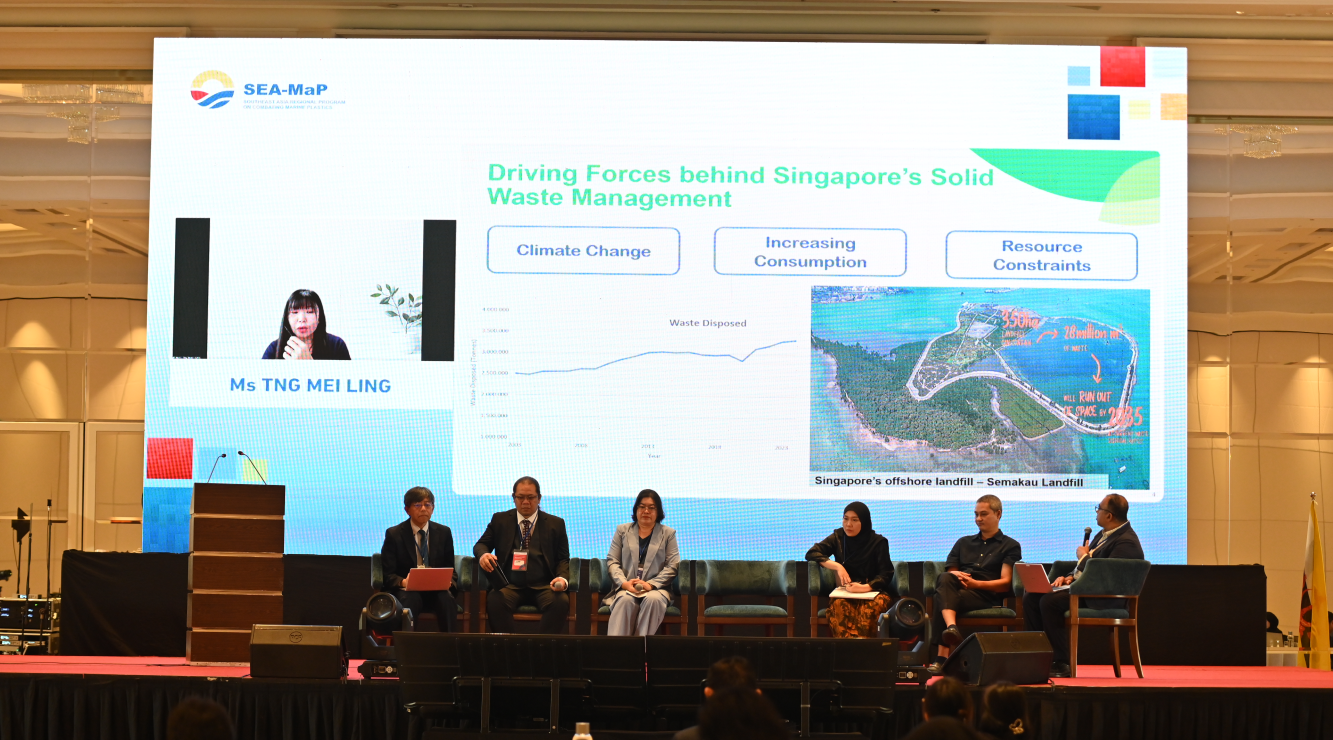
The High-Level Policy Dialogue focused on advancing EPR within ASEAN’s policy agenda, aligning regional progress with global developments, and fostering a shared regional direction. Country presentations highlighted national experiences, from early implementation lessons and packaging registry systems to ongoing legislative and rollout processes. The Dialogue also emphasised the need to strengthen private sector engagement, capacity building, and financing mechanisms to accelerate the transition toward a circular economy in ASEAN. Insights from global perspectives reinforced the importance of regional coordination and continuous knowledge exchange to support effective and sustainable EPR implementation.
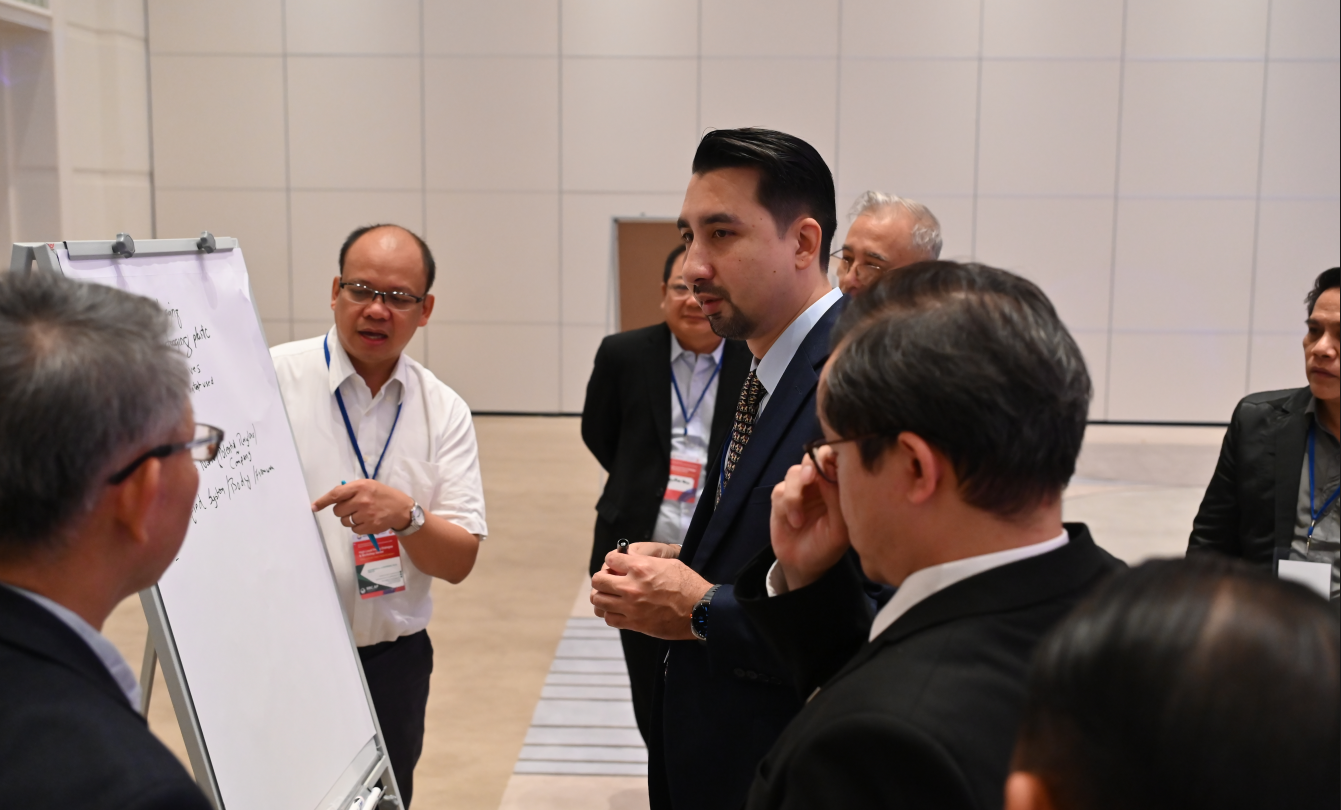
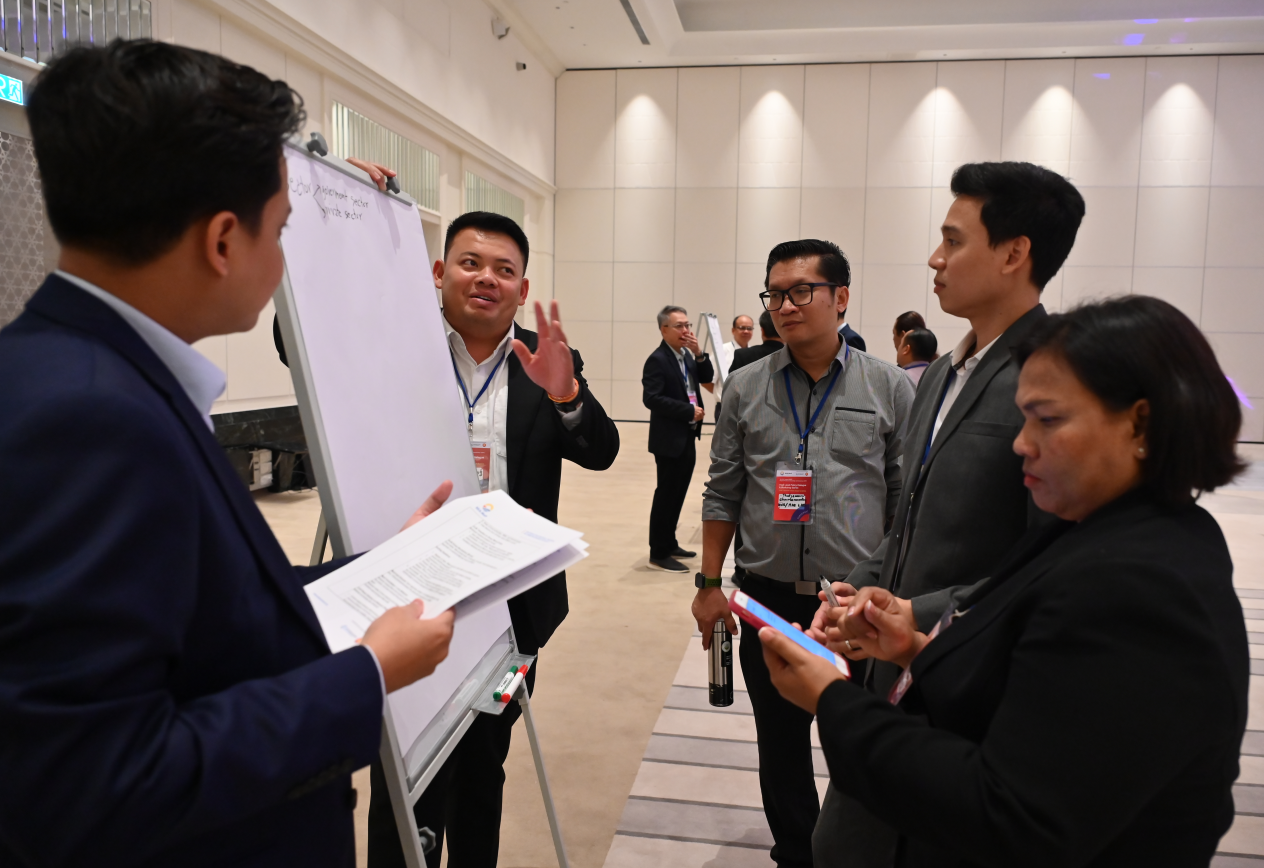
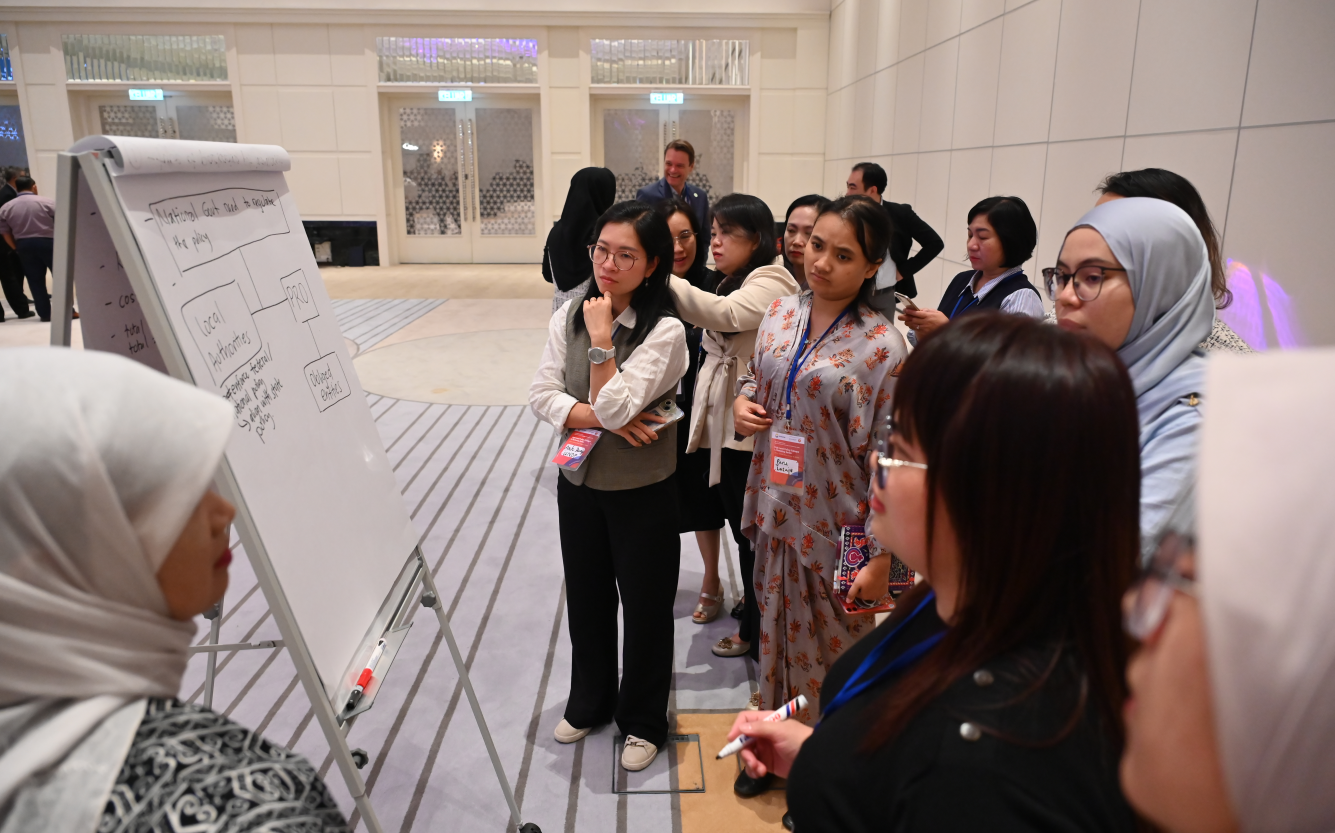
The Workshop Series was divided into three sessions. The first session on the vision and collaboration discussed a shared long-term vision for advancing EPR in ASEAN, emphasizing clear objectives, defined stakeholder roles, and the long-term value of effective implementation. The second session on the policy and governance identified the need for robust governance, transparency, and accountability mechanisms of EPR implementation. The third session on finance highlighted that EPR should evolve into a self-sustaining financing mechanism supported by transparent frameworks, strong data and waste management systems, and continuous capacity building, with external funding serving as transitional support until systems are fully established.
The event reaffirmed the growing momentum within ASEAN to strengthen EPR as a cornerstone policy for advancing sustainable waste management and circular economy practices. It was observed that AMS are at varying stages of EPR readiness, with some progressing toward implementation while others are still developing enabling legislation and institutional frameworks. It was further noted that successful EPR systems require robust coordination among government authorities, producers, and producer responsibility organizations (PROs), supported by transparent and verifiable data to ensure accountability.
*****

Project Management Unit (PMU)
1st Floor, Heritage Building
The ASEAN Secretariat
70A Jalan Sisingamangaraja
Jakarta 12110, Indonesia