AUGUST 2026
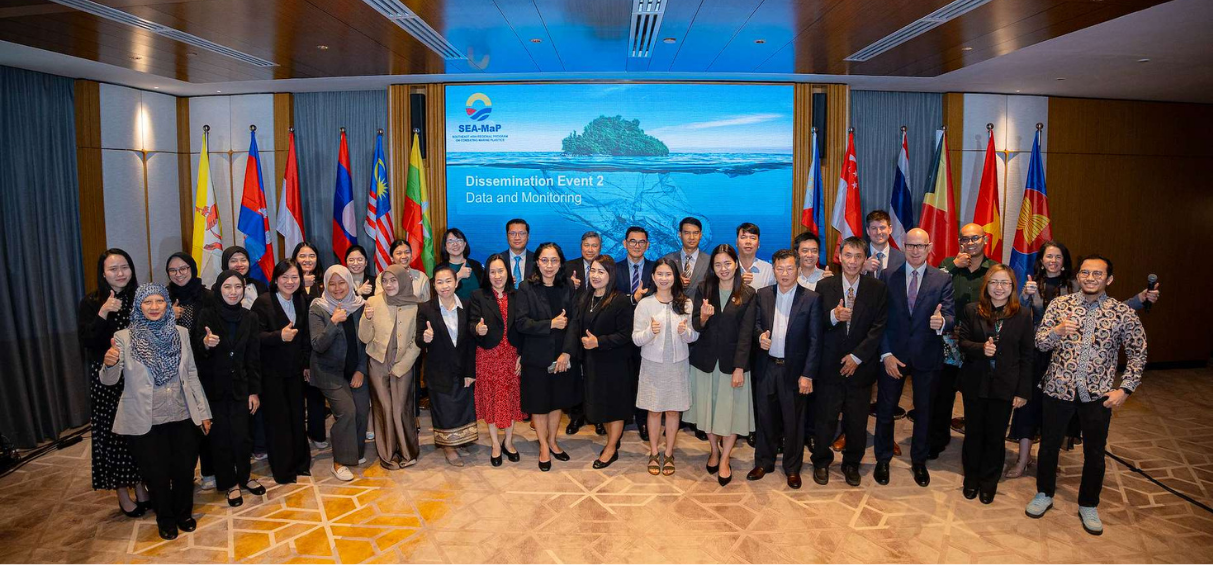
Kuala Lumpur, Malaysia, 4–6 August 2026 – The Southeast Asia Regional Program on Combating Marine Plastics (SEA-MaP) Regional Project convened the Dissemination Event: Data and Metrics in Kuala Lumpur, Malaysia. The event brought together representatives from the ASEAN Member States (AMS), the ASEAN Secretariat, and relevant stakeholders to strengthen regional knowledge exchange and capacity for the assessment and monitoring of plastic pollution.
The three-day hybrid event focused on two complementary SEA-MaP knowledge products developed under Component 1: Strengthening Regional Policies and Institutions for Plastics Circularity—the Regional Baseline Report and the Guidebook on Common Methodologies for Assessment and Monitoring of Plastic Pollution. Together, they provide guidance on data, metrics, indicators, and methodologies for long-term, harmonized monitoring of plastic pollution across the plastics life cycle. The Regional Baseline Report establishes a regional baseline based on available data and methods, while the Guidebook provides practical guidance and supporting tools for harmonized assessment and monitoring moving forward.
The event supports the implementation of the ASEAN Regional Action Plan for Combating Marine Debris and contributes to the ASEAN’s broader Blue Economy Framework and Circular Economy initiatives.
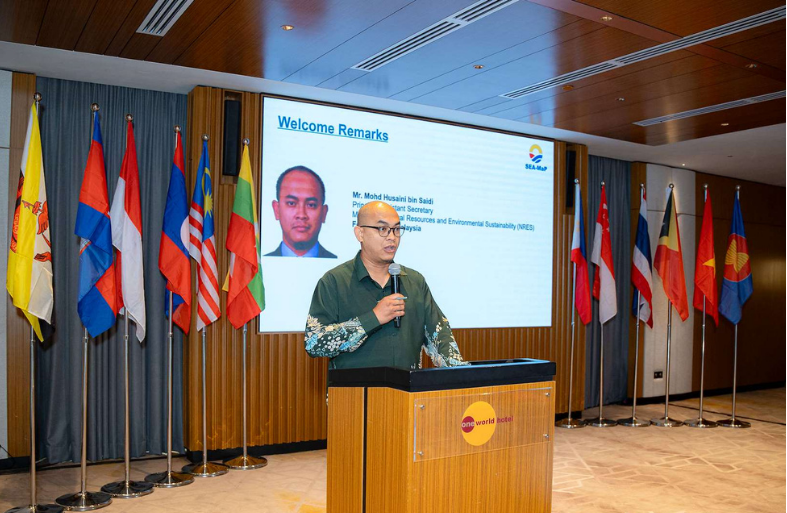
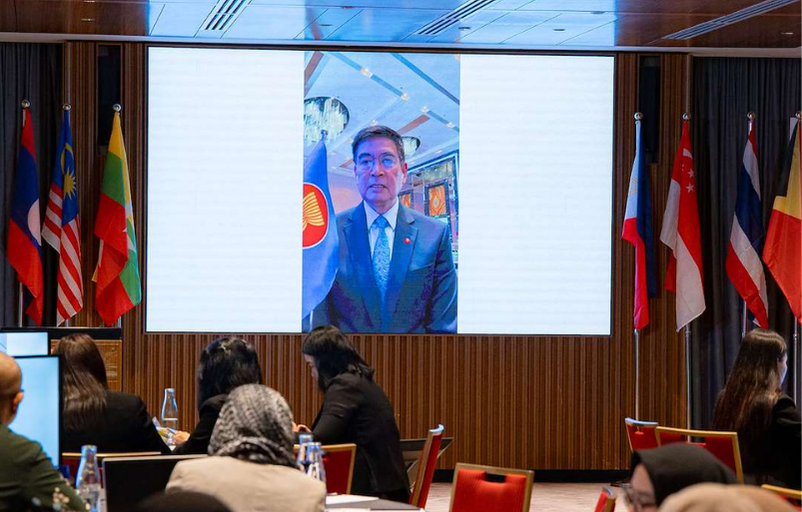
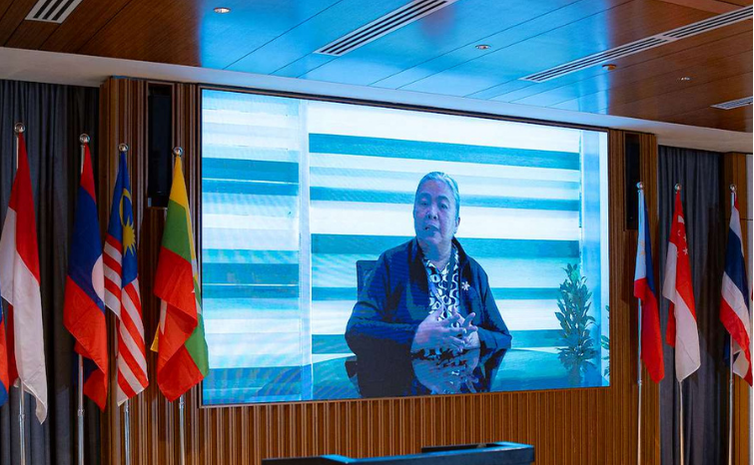
Opening and welcome remarks were delivered by (i) Mr. Mohd Husaini Bin Saidi, Principal Assistant Secretary of the Ministry of Natural Resources and Environmental Sustainability (NRES), in his capacity as representative of the Host Country, Malaysia, (ii) H.E. San Lwin, Deputy Secretary-General of ASEAN for ASEAN Socio-Cultural Community and Co-Chair of the SEA-MaP PSC, and (iii) Ms. Mariglo Laririt, Assistant Director, on behalf of Mr. (Atty.) Felix S. Alicer, Director of the Biodiversity Management Bureau of the Department of Environment and Natural Resources (DENR) of the Philippines, Chair of the ASEAN Working Group on Coastal and Marine Environment (AWGCME) and SEA-MaP PSC Co-Chair.
The remarks highlighted that addressing marine plastic pollution requires strong regional cooperation, shared commitment, and coordinated action among ASEAN Member States and partners. In particular, reliable data, robust evidence, and harmonized monitoring approaches would be helpful to identify priorities, monitor progress, and inform evidence-based policymaking. As such, this dissemination event provides an opportunity to exchange success stories, support the strengthening of reporting and monitoring capacity at the national level, and advance ASEAN’s collective efforts in tackling plastics pollution.
During the High-Level Policy Forum on Plastic Monitoring and Data, participants exchanged national experiences and discussed current progress and opportunities related to plastic pollution monitoring across ASEAN, with a focus on advancing a more harmonized approach in monitoring across the plastics life cycle.
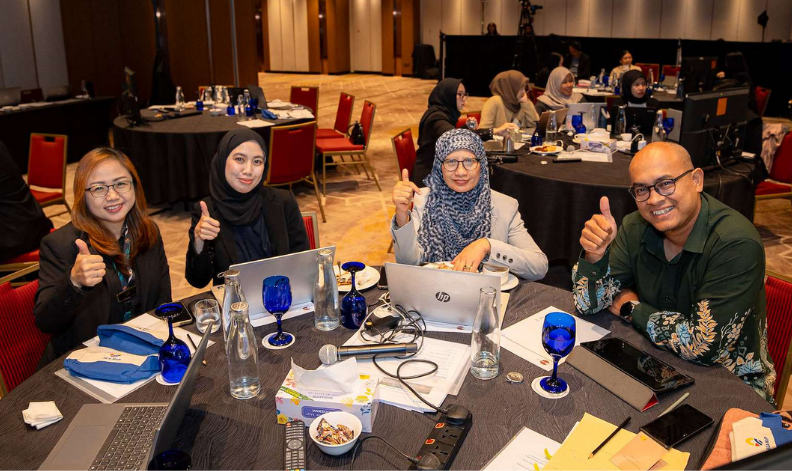
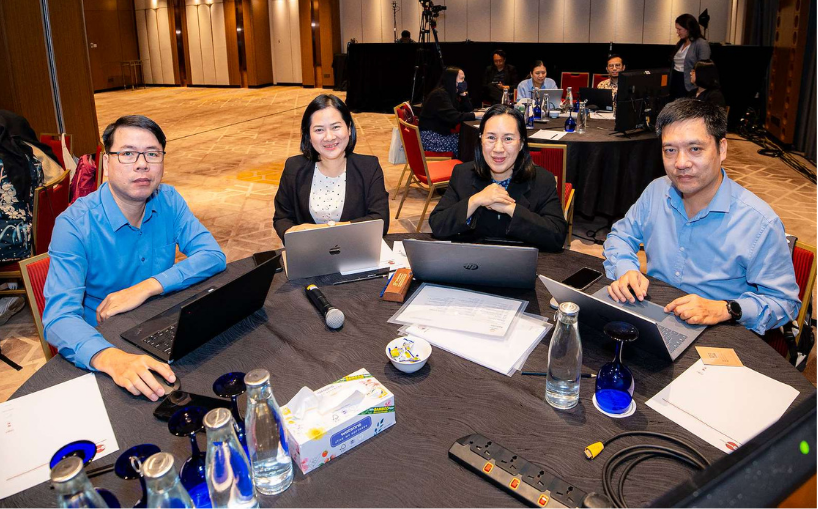
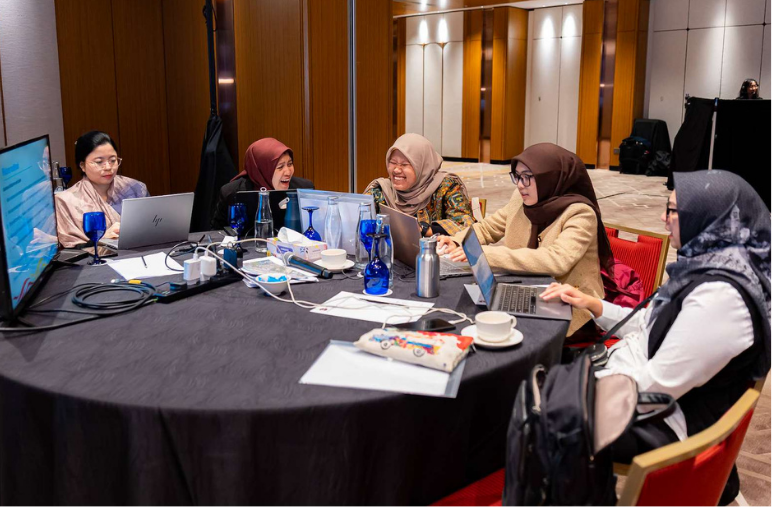
The training sessions provided AMS representatives with opportunities to experience applying the Guidebook and its associated methodologies. Through interactive exercises and country exchanges, participants shared insights on their data and capacity priorities while strengthening peer learning and regional alignment on plastic pollution monitoring.
The event was organized under the SEA-MaP Regional Project, facilitated by the Regional Implementation Support Unit (RISU) within the United Nations Office for Project Services (UNOPS), and the SEA-MaP Project Management Unit (PMU).
*****

Project Management Unit (PMU)
1st Floor, Heritage Building
The ASEAN Secretariat
70A Jalan Sisingamangaraja
Jakarta 12110, Indonesia